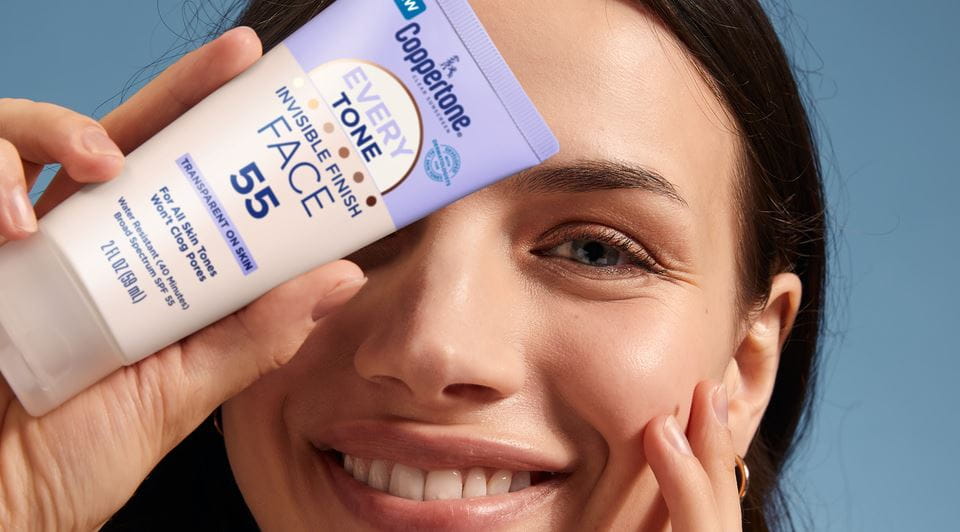
3 women standing in the sun

The Benefits of Sunscreen – What Does Sunscreen Do & Why is It Important?

Wearing sunscreen is an essential part of daily sun protection. Learn about the benefits of sunscreen and why it’s so important.

What’s in this article?

  1. What is sunscreen and why is it important?
  2. What does sunscreen do?
  3. 4 Key sunscreen benefits
  4. Do you still need to wear sunscreen on a cloudy day?
  5. Benefits of sunscreen in winter
  6. How to incorporate sunscreen into your daily skincare routine
  7. Is sunscreen good for your skin?
  8. Tips for finding the right sunscreen for your needs
  9. Enjoy the benefits of sunscreen with Coppertone

What is sunscreen and why is it important?

Sunscreen is a product that contains ingredients that help to prevent sunburn when used correctly[HM1] [AH2] [HM3] . Sunscreens come in all sorts of formulas and SPF (sun protection factor) strengths, from sunscreen sprays to sticks to creams,[HM4]  They can be tinted, water resistant, and even cosmetic skincare products like facial moisturizers with added SPF.
 
Wearing sunscreen is important because unprotected sun exposure can not only cause signs of premature aging[LA5] , but it also poses serious risks to your health. Leaving skin exposed and unprotected from the sun not only leaves skin vulnerable to more immediate damage like a sunburn, but it also increases your risk of skin cancer1[LA6] .
 
Read on to learn more about the benefits of sunscreen, how it works, and how to incorporate sunscreen easily into your daily routine to help keep your skin protected, rain or shine.

4 Key sunscreen benefits

Sunscreen offers several benefits to the skin due to its sun protective qualities. Depending on the specific product and formula, some sunscreens may offer even more benefits such as additional hydration, a blendable tint, or other skincare benefits. Be sure to check the specific product you’re using to see what additional benefits may be offered, if any.

Sunscreen benefit #1: It helps prevent sunburn and prote[HM8] ct the skin from sun damage

The most obvious benefit of sunscreen is that it helps protect the skin from the sun’s harmful UV rays. Depending on the SPF, sunscreen can help stop[HM9]  up to [JH10] 98% of UVA/UVB rays2[AH11] . While sunscreen with a high SPF can stop most of the sun’s rays, it’s important to note that no SPF, no matter how high, can stop 100% of the sun’s rays3[LA12] , so it’s important to use sunscreen in conjunction with other sun protection measures to ensure maximum protection.


Sunscreen benefit #2: It reduces the risk of skin cancer

Sun exposure is a leading cause of skin cancer. By wearing sunscreen properly and consistently, you can greatly reduce your risk of skin cancer.
 

Sunscreen benefit #3: It helps keep skin looking younger longer

Prolonged unprotected sun exposure over time results in photoaging[LA13] , a phenomenon where cumulative skin damage from the sun causes signs of premature aging [LA14] such as sun-induced dark spots, fine lines and wrinkles. While you can’t completely stop your skin from aging, you can help prevent premature aging from the sun by consistently using a broad-spectrum sunscreen of at least SPF 30 when spending time outdoors and taking other sun protection measures.[HM15] 
Woman holding Coppertone sunscreen

Sunscreen benefit #4: It gives peace of mind when spending time outdoors

Nobody wants their fun in the sun to be ruined by a sunburn. When you properly apply and reapply a trusted sunscreen, you can have the peace of mind that you or your child can enjoy time spent outdoors without worry about a sunburn. To reap the full sun protection benefits of sunscreen, be sure to choose a sunscreen with broad-spectrum coverage and an SPF of at least 30, and follow the instructions on the packaging for use. Even on overcast days, apply sunscreen at least 15 minutes before initial sun exposure4[LA16]  and reapply at least every two hours, and immediately after swimming, sweating, or toweling off (even for water-resistant sunscreens).
woman with coppertone sunscreen

Choosing the best sunscreen for skin with early signs of aging  

Unprotected sun exposure can contribute to premature signs of aging such as sun-induced dark spots (aka “sun spots”), uneven skin tone, and wrinkles. For aging skin or skin that is showing signs of sun-related aging, look for a facial sunscreen that not only protects the skin from sun damage but also helps to minimize the appearance of signs of sun damage such as wrinkles or uneven skin tone. 

If you have skin with early signs of aging, consider Coppertone® Every Tone Age UV Defense Face Sunscreen SPF 60+. Developed with dermatologists, this lightweight, daily sunscreen enriched with antioxidant bakuchiol goes on clear and helps defend against early signs of aging from sun exposure, such as fine lines.* Broad Spectrum SPF 60+ sun protection. Stops up to 98% of damaging UV rays. *with continued use and other sun protection measures. Use and reapply as directed. 

If you’re looking for a sunscreen that can help even out your skin tone, consider Coppertone® Every Tone Brightening UV Defense Face Sunscreen SPF 60+. As a lightweight, daily face sunscreen enriched with niacinamide, it goes on clear and helps even skin tone and diminish the appearance of sun-induced dark spots.* Broad Spectrum SPF 60+ sun protection. Stops up to 98% of damaging UV rays. *with continued use and other sun protection measures. Use and reapply as directed. 
 

Choosing the best face sunscreen for dry skin

If you are experiencing dry skin, look for a face sunscreen with hydrating ingredients that can provide both UV protection and moisturization for your skin. 

If you have dry skin, consider Coppertone Every Tone Invisible Finish Hydrating UV Defense Face Sunscreen with SPF 60+. This lightweight, daily face sunscreen enriched with ceramides goes on clear and provides all-day hydration.* Broad Spectrum SPF 60+ sun protection. Stops up to 98% of damaging UV rays. *for sunscreen use, use and reapply as directed. Also available in a convenient sunscreen stick format with SPF 55.  

Do you still need to wear sunscreen on a cloudy day?

Yes! You likely think of applying sunscreen on a hot, sunny day, but don’t let an overcast day fool you – the truth is that up to 80% of the sun’s harmful UV rays can pass through clouds and cause damage to your skin5[LA17] . It can be easy to assume that when it’s cloudy, you’re adequately protected from the sun, but it’s still possible to get a sunburn through cloud cover, so be sure to apply and reapply sunscreen throughout the day any time you’re outdoors, even on a cloudy day.
 

Sunscreen benefits in winter

Sunburns don’t only happen on hot days at the beach. In the winter, you can also experience UV damage from the sun, as well as from sunlight being reflected off snow6[LA18] , so it’s important to apply sunscreen to all exposed areas of skin whenever you’re spending time outdoors during the day, no matter the weather or the season.
 
Applying sunscreen in winter can help protect your skin from sun damage so you can enjoy outdoor activities like skiing, snowboarding, tubing, or snowshoeing. Using a moisturizing sunscreen can also help keep skin hydrated when exposed to cold, dry air. Help prevent a ‘goggle sunburn’ on the slopes by applying sunscreen to your face and using as directed.

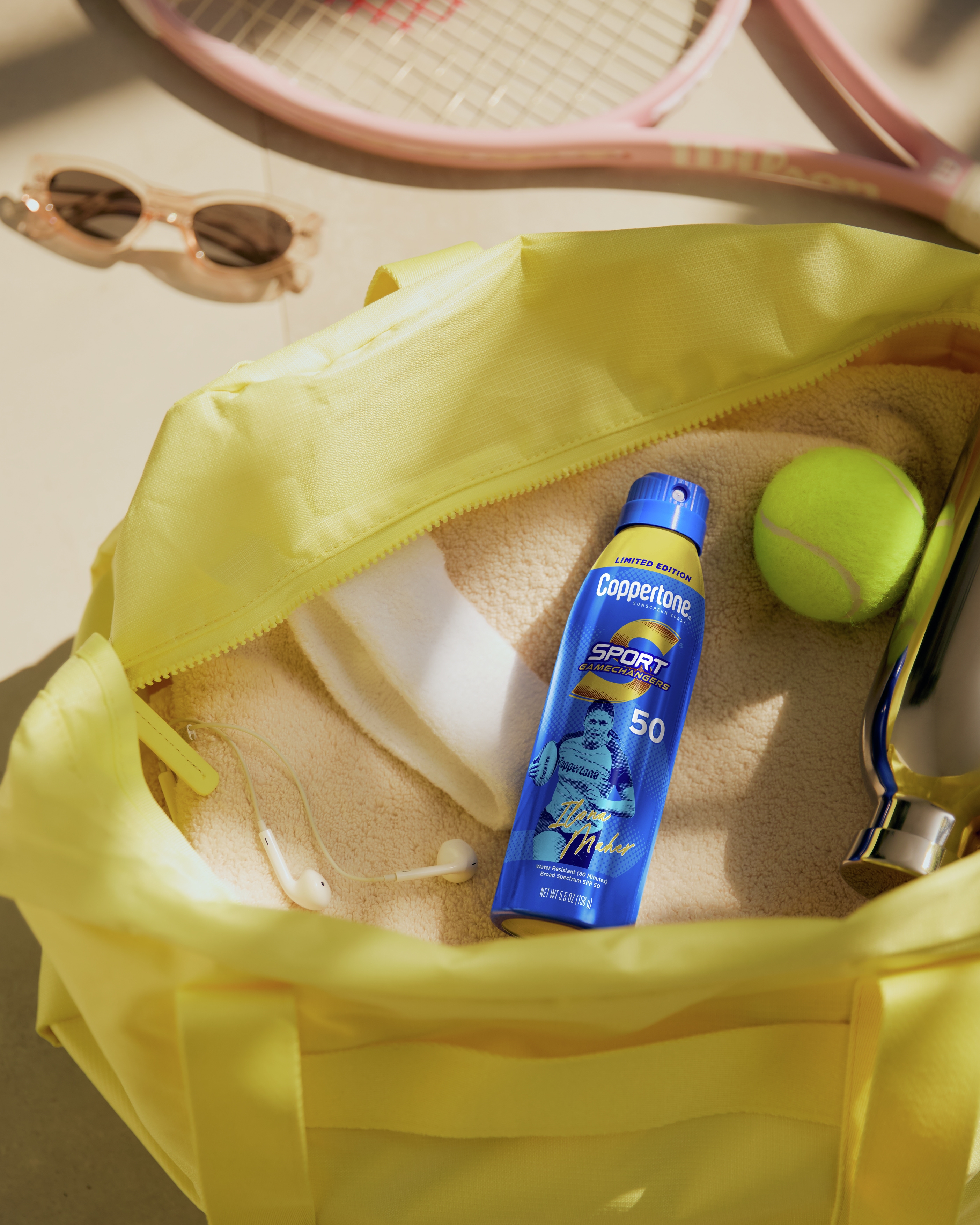
When it comes to choosing a face sunscreen, there are two types: mineral sunscreen and chemical sunscreen (otherwise known as physical sunscreen).  

  • Mineral face sunscreens typically contain the minerals Zinc Oxide and/or Titanium Dioxide which form a physical barrier on the skin that deflects, scatters and absorbs harmful UV rays.  
  • Chemical face sunscreens protect skin by absorbing UV rays. 
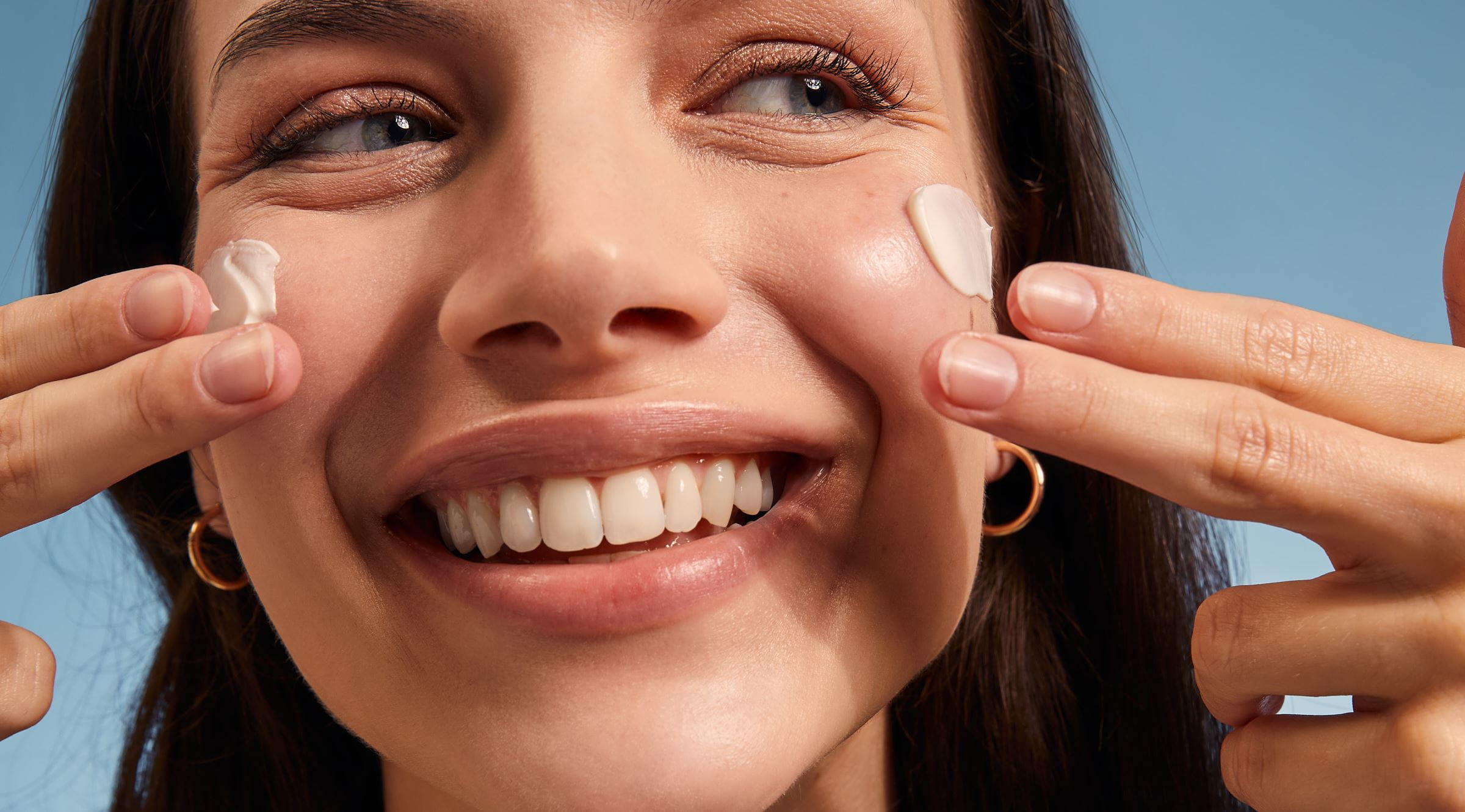
woman applying sunscreen

Mineral vs. chemical face sunscreen pros and cons

Mineral Sunscreen 

  • Pro: Since they sit on top of the skin, mineral sunscreens can be a good choice for people with sensitive skin who may experience irritation from chemical sunscreen.  
  • Con: Mineral sunscreens often have a thick texture and tend to leave a white cast to the skin or may be harder to blend in when applying. 

Chemical Sunscreen 

  • Pro: Chemical sunscreen is the most common type of sunscreen and usually has a lighter, thinner texture than mineral sunscreen, making it easier to apply and blend in without leaving a white cast or streaky finish. 
  • Con: Chemical sunscreens can sometimes cause irritation in those with sensitive skin. 

How to incorporate sunscreen into your daily skincare routine

We’ve established how important it is to wear sunscreen daily on all areas of skin that may be exposed to the sun, but if you’re using other products on your skin, when is the right time to apply your sunscreen? Here are some tips for incorporating sunscreen into your daily routine:
 

1. If you wear makeup, apply sunscreen before you apply your makeup7[LA19] .

Give the sunscreen a few minutes to settle on the skin when applying sunscreen under makeup[LA20] . This allows your skin to benefit from the sun protective qualities of sunscreen without smudging your makeup.
 

2. If you don’t wear makeup, apply sunscreen last.

After cleansing and moisturizing your face and applying any serums or other skincare products, apply sunscreen last. This will allow the sunscreen to not get diluted or disrupted by rubbing other products into it.
 

3. Apply sunscreen at least 15 minutes before sun exposure and reapply throughout the day4[LA21] .

Sunscreen is only effective if it’s applied properly and reapplied in order to maintain its UV-protective qualities. Generously apply and reapply sunscreen at least every two hours, as well as immediately after sweating, swimming, or toweling off. If you are wearing makeup and initially applied your sunscreen under your makeup, you will still need to reapply over your makeup throughout the day.
 

4. Use sunscreen as just one part of your overall sun protection strategy

While sunscreen can help stop some harmful UV rays from reaching your skin, be sure to use sunscreen in conjunction with other sun protection measures to maximize your protection. Other sun protection measures include wearing protective clothing such as hats, sunglasses, long pants and long sleeves, avoiding sun exposure during peak hours of the day, and seeking shade whenever possible outdoors. 
 

5. Choose a versatile facial sunscreen that stays on strong

Coppertone® Sport Face Lotion SPF 60 is lightweight and stays on strong when you sweat. This breathable formula rubs on easily and provides Broad Spectrum UVA/UVB SPF 60+ sun protection, helping stop up to 98% of damaging UV rays. This non-greasy sunscreen lotion won't clog pores, blends in clear on all skin tones, and is formulated with antioxidants vitamins E and C. It is free of Oxybenzone, Octinoxate, PABA, Parabens, Phthalates, and fragrance. Coppertone Sport Face Lotion 60+ is water resistant (80 minutes) and dries quickly.


woman smiling

Is sunscreen good for your skin?

Sunscreen is beneficial to skin because it helps protect it from the damaging effects of the sun. With proper use, a broad-spectrum sunscreen can be great for your skin by helping to protect it from sun damage and signs of premature aging, and by helping to reduce your risk of skin cancer.
 
Depending on your skin type, you may choose a sunscreen formula that caters to your skin’s needs to find one that works best for you. If you have sensitive skin, for example, you may opt for a mineral sunscreen vs. a chemical sunscreen if you find that feels better on your skin. Whatever type you choose, you can still have effective sun protection when using as directed.

Find the best face sunscreen for your needs with Coppertone

Coppertone face sunscreens help prevent sunburn using lightweight formulas that are easy to apply, blend seamlessly into skin, won’t clog pores, and layer invisibly under makeup. 

Whether you love to go to the beach, spend time outdoors, or are looking to incorporate SPF into your daily skincare routine, Coppertone face sunscreens can help to keep you protected and help prevent signs of aging associated with sun exposure.  

Sources

References

  1. National Academies of Sciences, E.; Division, H. M.; Studies, D. E. L.; Policy, B. H. S.; Toxicology, B. E. S.; Board, O. S.; Usage, C. E. I. C. M. S. P. H. I. C. S. Sunscreen, Preventive Health Behaviors, and Implications of Changes in Sunscreen Use for Public Health. www.ncbi.nlm.nih.gov. https://www.ncbi.nlm.nih.gov/books/NBK587264/.
  2. Morriss, S.; Scardamaglia, L. Sun Protection: A Practical Guide for Health Professionals. Australian Prescriber 2025, 48 (5), 173–178. https://doi.org/10.18773/austprescr.2025.046.
  3. University of Rochester Medical Center. Sunscreens: Protect Your Skin. Rochester.edu. https://www.urmc.rochester.edu/encyclopedia/content?contenttypeid=85&contentid=P01351.
  4. Sun Exposure | Travelers” Health | CDC. wwwnc.cdc.gov. https://wwwnc.cdc.gov/travel/page/sun-exposure.
  5. Robinson, J. K.; Patel, S.; Heo, S. Y.; Gray, E.; Lim, J.; Kwon, K.; Christiansen, Z.; Model, J.; Trueb, J.; Banks, A.; Kwasny, M.; Rogers, J. A. Real-Time UV Measurement With a Sun Protection System for Warning Young Adults About Sunburn: Prospective Cohort Study. JMIR mHealth and uHealth 2021, 9 (5), e25895. https://doi.org/10.2196/25895.
  6. Andersen, P. A.; Buller, D. B.; Walkosz, B. J.; Scott, M. D.; Maloy, J. A.; Cutter, G. R.; Dignan, M. D. Environmental Cues to Ultraviolet Radiation and Personal Sun Protection In Outdoor Winter Recreation. Archives of Dermatology 2010, 146 (11), 1241–1247. https://doi.org/10.1001/archdermatol.2010.327.