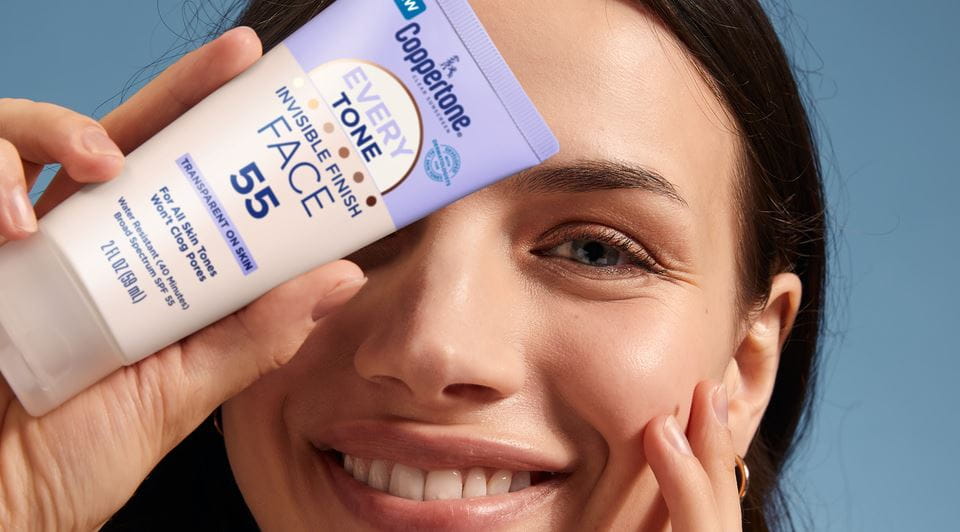
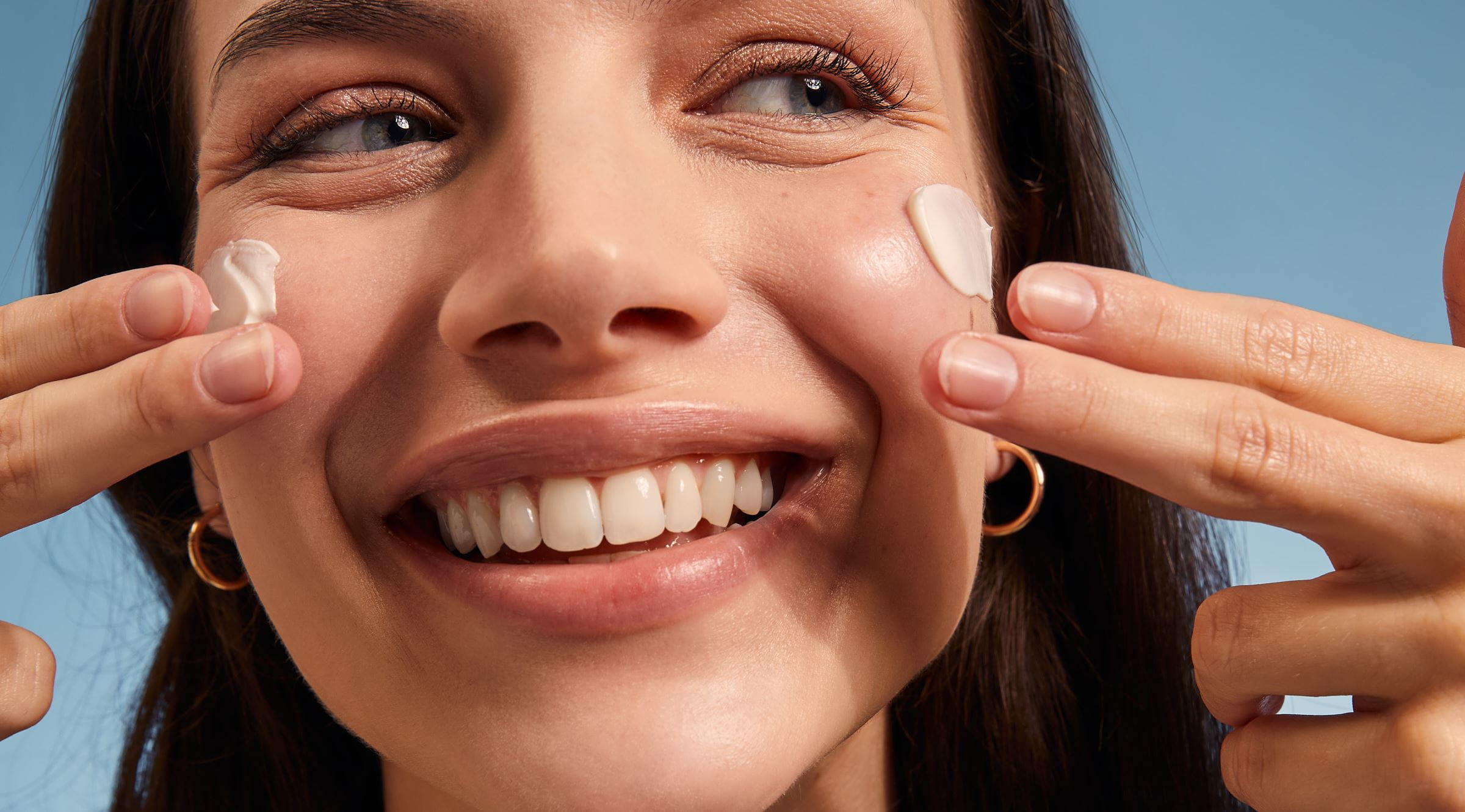
How sunscreen works on the body

How Does Sunscreen Work?

You know you should wear sunscreen when spending time in the sun, but how does sunscreen actually work? Read on to learn how sunscreen helps protect your skin from harmful UV rays.

Recognizing and preventing sun damage on the skin

When the weather is nice, you want to go outside and spend time enjoying the sun, but unprotected sun exposure can cause damage to your skin, both more immediately and longer term. On cooler or overcast days, it’s easy to assume that your skin won’t be affected by the sun’s harmful UV rays, but you can still experience sun damage even on cloudy days1, so having a proper sun protection routine is crucial.

Read on to learn more about what causes sun damage, what sun-damaged skin looks like, and how you can help prevent it with Coppertone.

What causes sun damage on skin?

What causes sun damage on skin

Sun damage is caused by unprotected exposure to the sun’s harmful UV rays (solar radiation). Sun damage is also commonly referred to as photoaging because the damage from the sun can cause signs of premature aging in the skin.

How does sun damage work?

The sun produces UVA and UVB rays, each with different wavelengths that interact with the skin in different ways, but both cause damage.

  • UVA rays are commonly linked to tanning and longer-term photoaging2, and contribute to signs of premature aging like wrinkles3.
  • UVB rays are commonly associated with more immediate visible signs of sun damage such as sunburns, and are more closely associated with skin cancer risk3, though both UVA and UVB rays can contribute to an increased risk of skin cancer from the sun2.

Note that even though it’s called sun damage, photoaging can also occur from artificial sources of UV light, such as tanning beds and sun lamps3.

What does sun-damaged skin look like?

External causes of premature skin aging

Here are some common signs to look for with sun-damaged skin.

Signs of immediate visible sun damage:

  • Suntan – While many associate tan skin with looking healthy, a suntan is actually a visible sign of UV damage and is the skin’s response as a way to try to protect itself.
  • Sunburn – If spending too long in the sun, your skin may develop a sunburn. Sunburns vary in severity and range from warm, reddened skin to more serious, blistering burns. If you have discomfort from sunburned skin or signs of a more serious burn, be sure to contact a doctor for guidance.

Longer term signs of photoaging and sun-damaged skin:

  • Fine lines and wrinkles – sun damage can affect skin’s elasticity and lead to premature fine lines and wrinkles in sun-exposed areas3.
  • Dry skin – sun exposure can affect the skin’s ability to retain moisture, leading to dry skin that may also feel rough or flaky4.
  • Sun spots – over time, skin can develop dark spots due to cumulative, prolonged sun exposure. Be sure to contact a doctor for any new dark spots or changes to existing sun-induced dark spots on your skin.
What does sun-damaged skin look like

The dangers of sun-damaged skin

Getting a sunburn is an unpleasant experience, but sunburns aren’t the only danger of unprotected sun exposure. UV radiation is a proven carcinogen to humans2, so prolonged exposure to the sun’s harmful rays can pose a serious risk to your health. UVA and UVB rays from the sun cause changes in the skin that can result in visible skin damage like sunburns and signs of premature aging, and they can also lead to more serious problems like basal cell carcinoma (BCC) and squamous cell carcinoma (SCC)2.

Sun damage is cumulative, meaning that damage to skin starts with the very first tan and risk of skin cancer increases as total sun exposure accumulates over time5.

Risk factors for sun damage

Risk factors for sun damage

Sun damage can affect anyone, but there are some things that can make someone more vulnerable to getting sun damage more severely or quickly than others, including:

  • Having paler skin or a light shade of hair
  • A personal or family history of skin cancer
  • Having freckles
  • Having certain health conditions or taking certain medications that can cause photosensitivity
  • Spending intermittent, intense prolonged bursts of time exposed directly to the sun (for example, spending all day on weekends outdoors but then working indoors during the week)
  • Prolonged sun exposure as a child or teenager3

How to help prevent skin damage from the sun

Despite its dangers, sun damage is thankfully very preventable with proper sun protection measures! By incorporating a combination of protective strategies, you can significantly reduce your risk of sun damage, help reduce your risk of skin cancer, and feel confident when you enjoy time outdoors.

Here are some sun protection tips to help prevent sun damage:

1. Wear sunscreen every day, even on overcast days.

Being consistent with daily broad-spectrum sunscreen usage on any exposed areas of skin can help keep your skin protected from the harmful effects of the sun when used in conjunction with other sun protection measures.

Learn more about how sunscreen works.

2. Apply (and reapply) sunscreen properly.

Sunscreen is only effective when applied properly, thoroughly, and consistently. Be sure to generously apply sunscreen to all exposed areas of skin, being sure not to miss commonly overlooked areas like the back of the neck, the ears, tops of the feet, hands, and face. Apply sunscreen at least 15 minutes before initial sun exposure to ensure the product has a chance to set on the skin. Once outdoors, be sure to reapply at least every two hours, and after swimming, sweating, or toweling off.

For more sunscreen application tips, learn more about how to properly apply sunscreen.

3. Wear protective clothing.

When possible, cover exposed areas of skin with sun-protective clothing like hats, long-sleeved shirts, long pants, and sunglasses.

4. Stay out of direct sunlight during peak hours of the day.

UVB radiation intensity is generally strongest between 10am and 4pm1 and can leave you more prone to sun damage during that time, so, when possible, limit direct sun exposure during peak hours of the day.

5. Choose the right sunscreen for your skin and activity level.

Choosing a sunscreen is a matter of personal preference. When shopping for the right sunscreen for you, consider your skin type, sensitivity level, and the type of activity you’ll be doing outdoors. This will help determine whether you may want a chemical or mineral sunscreen, a spray or a lotion, a water-resistant sport sunscreen if swimming or sweating, or a sunscreen formulated for kids.

Can you get rid of sun damage on the skin?

The best approach to sun-damaged skin is prevention. If your skin is showing signs of sun damage, consult with a doctor to further evaluate your skin and explore your options.

Helping prevent sun damage with Coppertone sunscreen

With Coppertone, you can enjoy fun outdoors while helping to prevent sun damage. Voted the most trusted sunscreen brand in the US*, Coppertone has provided continuous sun protection innovation for over 75 years.

Whether you require durable SPF for sport, mineral SPF for sensitive skin, sunscreen for babies and kids, or a mineral sport sunscreen for your face – Coppertone’s range has you covered.

*Voted Most Trusted Adult Sunscreen Brand by American Shoppers Based on the 2024 BrandSpark American Trust Study.

Disclaimer: The information provided herein is not intended to be medical advice, nor is it intended to treat an underlying skin disease or condition. The information is provided for educational purposes only on the benefits of sunscreen usage.

Sources

  1. CDC. Reducing Risk for Skin Cancer. Skin Cancer. https://www.cdc.gov/skin-cancer/prevention/index.html.
  2. The Skin Cancer Foundation. UV Radiation – The Skin Cancer Foundation. https://www.skincancer.org/risk-factors/uv-radiation/.
  3. Cleveland Clinic. Sun-damaged Skin: Photoaging, Signs, Causes & Treatment. Cleveland Clinic. https://my.clevelandclinic.org/health/diseases/5240-sun-damage-protecting-yourself.
  4. Sun-Damaged Skin. Harvard Health. https://www.health.harvard.edu/diseases-and-conditions/sun-damaged-skin-a-to-z.
  5. Tanning – The Skin Cancer Foundation. The Skin Cancer Foundation. https://www.skincancer.org/risk-factors/tanning/.