Two smiling women posing together against a blue background

Photoaging – Preventing Sun-Damaged Skin on the Face

Learn about what causes sun-damaged skin and how you can help prevent photoaging with a proper sun protection routine in this guide.

What is photoaging?

Photoaging is a form of premature aging that results from UV exposure to the skin. It manifests as a range of visible signs, including wrinkles, fine lines, dark spots, and loss of elasticity1. Ensuring year-round sun protection is important to help prevent photoaging1.

Is there a difference between photoaging and sun damage?

Sun damage is a broad term that encompasses any negative effect that the sun’s UV radiation has on the skin. Photoaging refers to the premature aging of the skin as a consequence of chronic exposure to the sun’s harmful rays.


How does photoaging differ from general skin aging?

As we age, our skin naturally loses some of its firmness and elasticity2, resulting in fine lines and wrinkles. External factors like sunlight and pollution can accelerate this process, causing premature aging. While we can't stop time, properly protecting your skin from the sun can help prevent sun-induced premature aging and maintain more youthful-looking skin for longer.

What causes photoaging?

Addressing sun-induced skin damage is crucial not only for cosmetic reasons but also for overall skin health. Beyond photoaging, sun exposure is a leading cause of skin cancer3, making it essential to understand and mitigate its effects.

Here are some key factors contributing to skin damage:

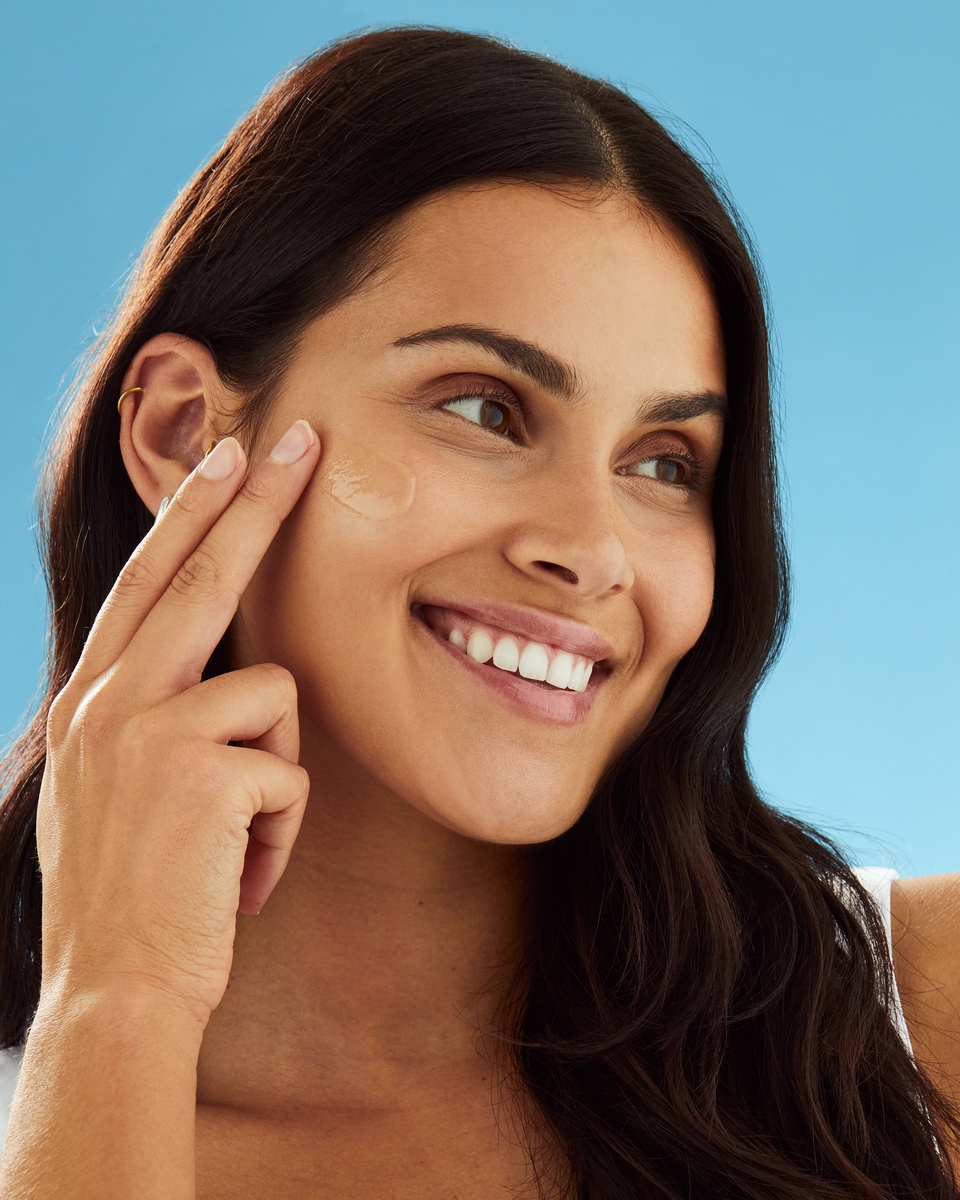
Close-up of a woman applying facial sunscreen cream to her cheek outdoors

1.  UV Radiation: Exposure to ultraviolet (UV) radiation, particularly UVA and UVB rays from the sun, is the primary cause of photoaging. Prolonged exposure to UV radiation can cause sun damage resulting in wrinkles, fine lines, and dark spots.


2.  Cumulative Sun Exposure: Chronic and cumulative exposure to sunlight over time increases the risk of photoaging. This includes daily exposure during activities like walking outdoors or driving, in addition to deliberate sunbathing.


3.  Sunburns: Sunburn shows visible UV damage to the skin and contributes to accelerated photoaging. Repeated sunburns increase the risk of developing skin cancer.

The effects of the sun on skin

Immediate impact

1.  Exposure to UV radiation from the sun can result in sunburn, characterized by redness, and, in more severe sunburns, pain, swelling, and potentially blistering of the skin6.


2.  Sun damage isn’t just visible as a sunburn. Tanning is also sign of sun damage6!


3.  Some individuals may experience photosensitivity reactions, particularly after using certain medications or skincare products that increase skin sensitivity to UV radiation1.

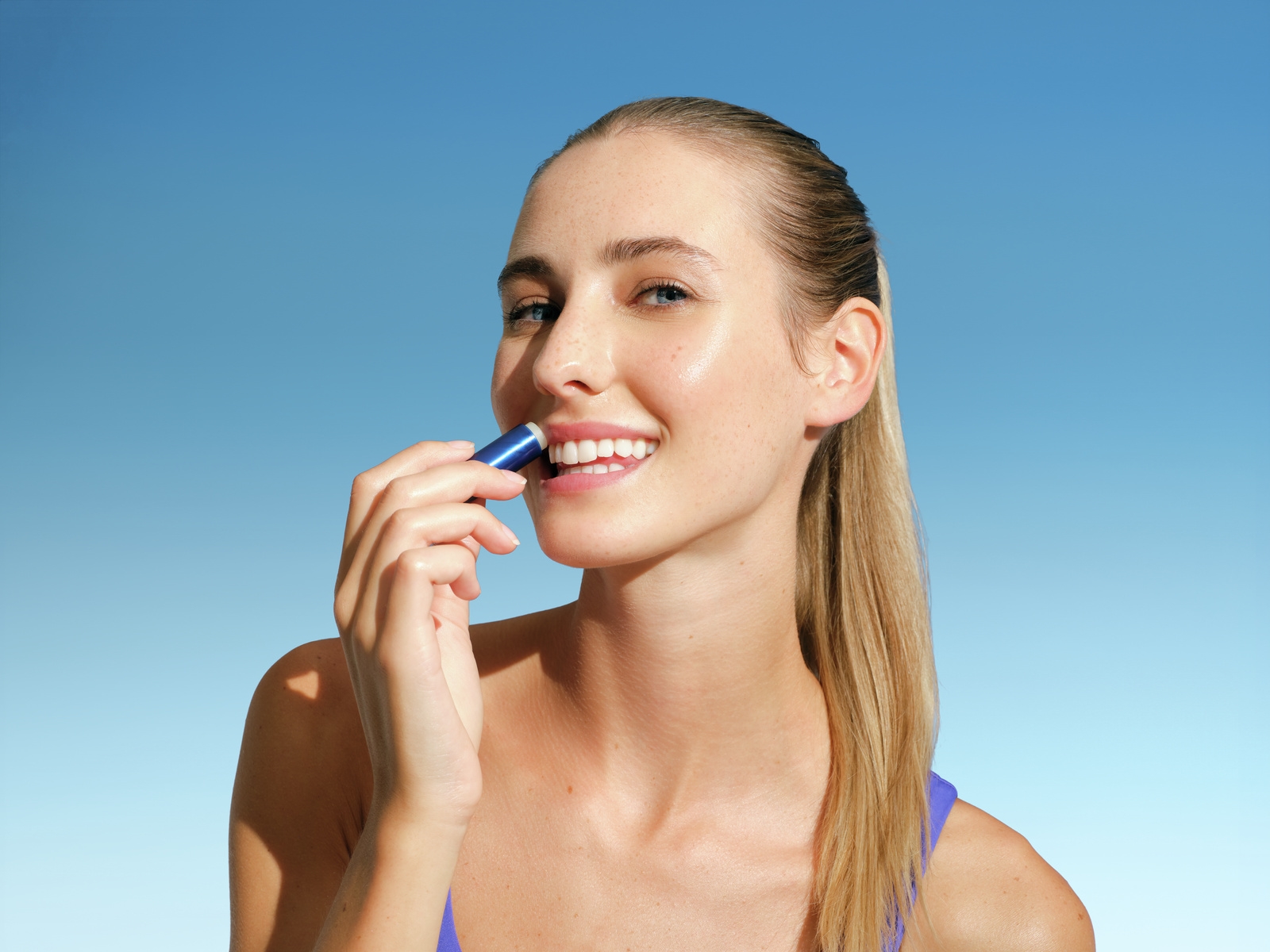
Smiling woman applying sunscreen lip balm against a clear blue sky
Close-up of a young girl getting face sunscreen applied with a stick

Long-term consequences

Signs of photoaging typically manifest gradually over time and may include7:


1.  Wrinkles and Fine Lines:

Fine lines, wrinkles, and creases may develop on areas of the skin that are exposed to the sun, such as the face (especially around the eyes and mouth), neck, and hands.


2.  Uneven Skin Tone:

Dark spots or patches may appear on sun-exposed areas of the skin.


3.  Loss of Elasticity:

Sun exposure can contribute to a decrease in collagen and elastin in the skin, resulting in a loss of skin elasticity and firmness.


4.  Skin Dryness:

Chronic sun exposure can lead to dehydrated, dry skin that can experience flakiness and roughness due to lack of moisture.

Photoaging Facts Overview

Appearance: Visible aging signs such as wrinkles, fine lines, uneven skin tone, and a loss of elasticity, which can lead to a prematurely aged appearance.

Causes: Prolonged and cumulative exposure to ultraviolet (UV) radiation from sunlight.

Prevention: Apply sunscreen 15 minutes before sun exposure and reapply regularly according to Drug Facts Directions. In addition to wearing sunscreen, wearing protective clothing and avoiding excessive sun exposure can help prevent photoaging.

How to Help Prevent Signs of Photoaging

One of the most important practices to target photoaging is to apply a broad-spectrum sunscreen with at least SPF 30 on the skin that will be exposed to the sun1. Make sure you choose a sunscreen marked ‘broad-spectrum’, meaning that it protects from both UVA and UVB rays. Make sure to reapply sunscreen every two hours at a minimum to maintain protection. Apply sunscreen more frequently if swimming or sweating throughout the day.

Continued use of sunscreen is crucial for protecting skin against sun damage and preventing further harm by shielding the skin from the sun’s harmful rays.


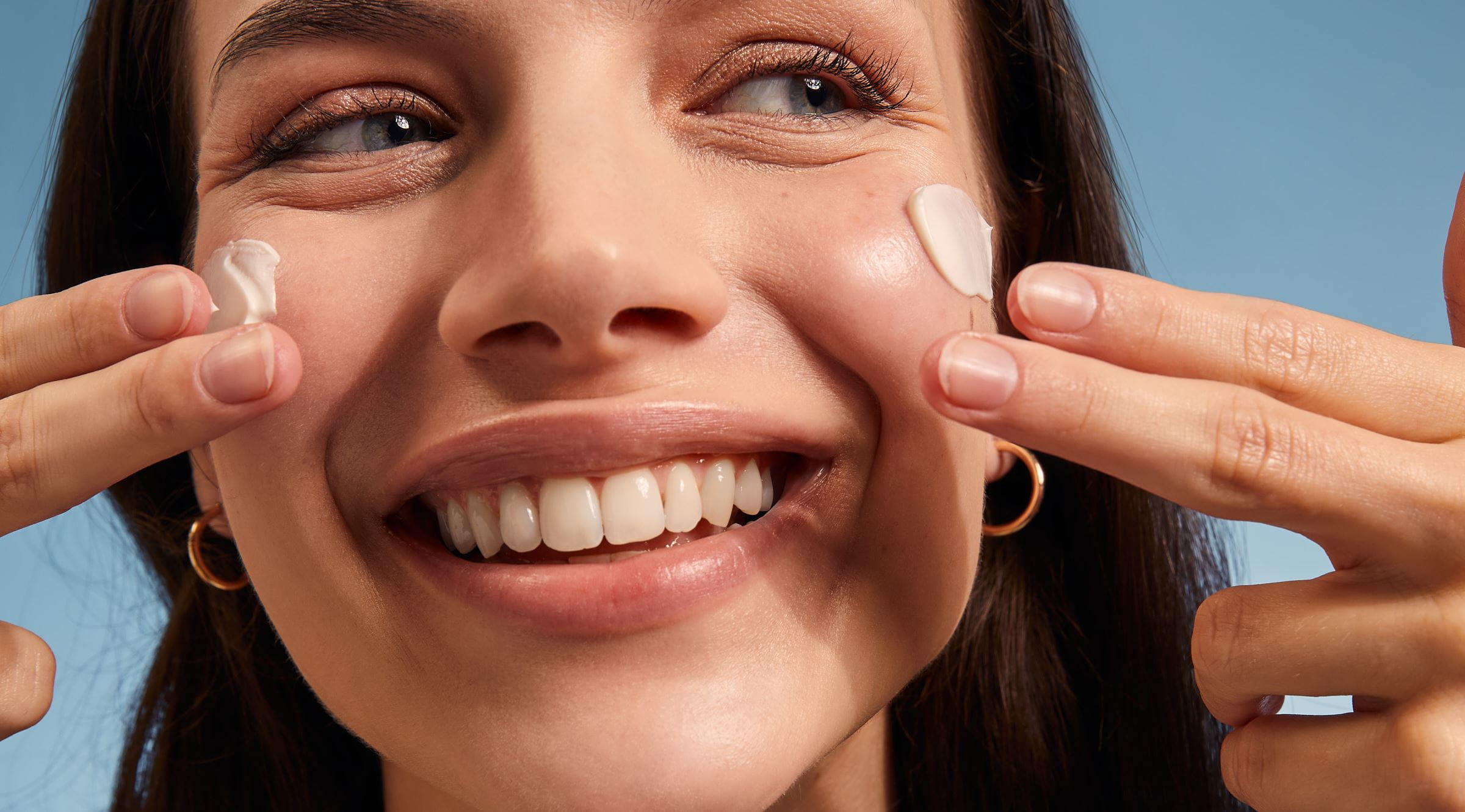
Smiling woman applying sunscreen lotion to her cheek
Smiling woman with curly hair wearing a yellow tank top against a blue sky

Sunscreen to help prevent photoaging on the face

Your face is among the parts of the body most exposed to the sun8, so it’s particularly important to wear sunscreen on your face every day and choose a face sunscreen that suits your skin’s needs.

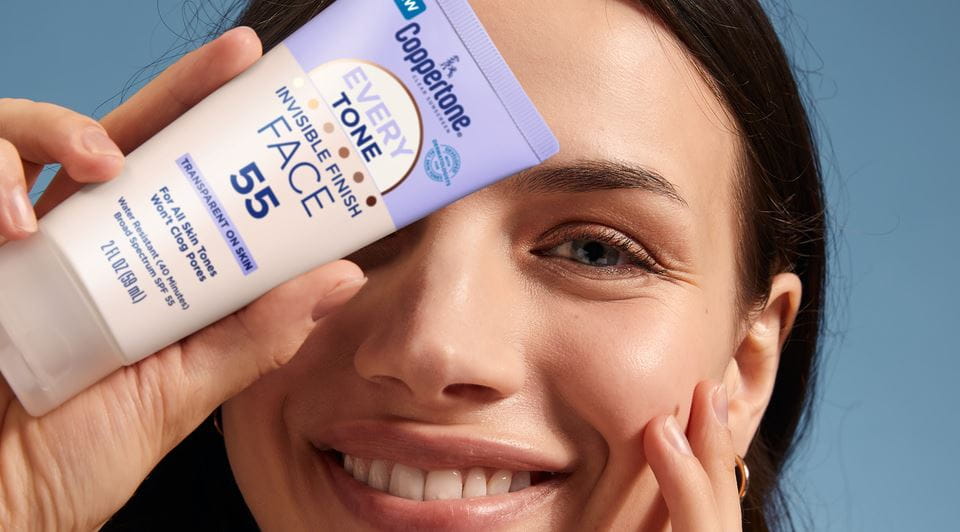
Coppertone® Sport Face Lotion SPF 60 is lightweight and stays on strong when you sweat. This breathable formula rubs on easily and provides Broad Spectrum UVA/UVB SPF 60+ sun protection, stopping up to 98% of damaging UV rays. This non-greasy sunscreen lotion won't clog pores, blends in clear on all skin tones, and is formulated with antioxidants vitamins E and C. It is free of Oxybenzone, Octinoxate, PABA, Parabens, Phthalates, and fragrance. Coppertone Sport Face Lotion 60+ is water resistant (80 minutes) and dries quickly.

Additional Ways to Minimize the Risks of Sun Damage

It’s difficult to completely avoid photoaging, but there are several preventive measures you can take:

1. Protective Clothing: Wear protective clothing, such as long-sleeved shirts, pants, wide-brimmed hats, and sunglasses with UV protection, to shield the skin from direct sunlight.

2. Seek Shade: Limit sun exposure, especially during peak sunlight hours. Seek shade under trees, umbrellas, or awnings when outdoors. Whenever possible, limit prolonged sun exposure by scheduling outdoor activities in the early morning or late afternoon when the sun's rays are less intense.

3. Avoid Tanning Beds: Avoid using tanning beds and sun lamps as they emit harmful UV radiation that can cause skin damage and increase the risk of skin cancer4.

In addition to the preventive measures above, be sure to schedule regular skin exams with a dermatologist, especially if you have a history of sun exposure, or if you notice anything concerning in your skin’s tone or texture.

Summary

It's important to note that everyone is susceptible to some degree of photoaging, and taking proper sun protection measures can help prevent it. Regularly using a broad-spectrum sunscreen, seeking shade, and wearing protective clothing are essential in reducing the risk of photoaging.

FAQs

What are the visible signs of sun-damaged skin?

Sun-damaged skin can manifest itself as wrinkles, fine lines, uneven skin tone, loss of elasticity, and dryness.

How does UV radiation contribute to photoaging?

UV radiation damages collagen and elastin in the skin, leading to the formation of wrinkles and fine lines. It also contributes to the development of sun-induced dark spots which can cause uneven skin tone.

What worsens photoaging?

Prolonged and repeated exposure to the sun’s harmful rays without adequate protection increases your risk of photoaging. Artificial sources of UV radiation, like tanning beds and sunlamps, also exacerbate the process.

How does photoaging differ from natural aging?

Aging is a natural and unavoidable process the body goes through. Photoaging is an accelerated form of aging caused by UV exposure, leading to premature signs of aging in the skin, such as fine lines, wrinkles, dark spots, and loss of elasticity.

Sources

References

  1. Cleveland Clinic. Sun-damaged Skin: Photoaging, Signs, Causes & Treatment. Cleveland Clinic. https://my.clevelandclinic.org/health/diseases/5240-sun-damage-protecting-yourself.
  2. Farage, M. A.; Miller, K. W.; Elsner, P.; Maibach, H. I. Characteristics of the Aging Skin. Advances in Wound Care 2013, 2 (1), 5–10. https://doi.org/10.1089/wound.2011.0356.
  3. The Skin Cancer Foundation. UV Radiation - the Skin Cancer Foundation. The Skin Cancer Foundation. https://www.skincancer.org/risk-factors/uv-radiation/.
  4. Cancer, S. Skin Cancer and Indoor Tanning. American Cancer Society Cancer Action Network. https://www.fightcancer.org/what-we-do/skin-cancer-and-indoor-tanning.
  5. Martic, I.; Jansen-Dürr, P.; Cavinato, M. Effects of Air Pollution on Cellular Senescence and Skin Aging. Cells 2022, 11 (14), 2220. https://doi.org/10.3390/cells11142220.
  6. Center for Devices and Radiological Health. The Risks of Tanning. U.S. Food and Drug Administration. https://www.fda.gov/radiation-emitting-products/tanning/risks-tanning.
  7. Pandel, R.; Poljšak, B.; Godic, A.; Dahmane, R. Skin Photoaging and the Role of Antioxidants in Its Prevention. ISRN Dermatology 2013, 2013, 1–11. https://doi.org/10.1155/2013/930164.
  8. Mayo Clinic. Sun damage. Mayo Clinic. https://www.mayoclinic.org/diseases-conditions/sunburn/in-depth/sun-damage/art-20546834.