Swimming with Sunscreen – Water-Resistant Sun Protection for the Water

Swimming with Sunscreen – Water-Resistant Sun Protection for the Water

Learn how to stay protected from the sun when you swim and why water-resistant sunscreen is so important.


When the weather is warm and the sun is shining, what better way to spend the day than swimming in a pool, lake, or the ocean? With time spent in the sun comes the need for proper sun protection, but how can you stay properly protected from the sun while spending time in the water? Read on to learn about proper sunscreen application tips while swimming, and what makes water-resistant sunscreen important while going for a dip.

When to apply sunscreen while swimming

Why is it important to wear sunscreen while you swim?

Wearing sunscreen is an important part of protecting your skin from the sun’s harmful UV rays any time that you spend time outdoors, even on overcast days. When you swim, you’re not only exposed to the sun’s harmful UV rays directly, but you’re also subject to those rays reflecting off the surface of the water. In addition, the sun’s UV rays can reach below the water’s surface, so if parts of your body are submerged underwater, your skin can still be damaged by sun exposure. Applying sunscreen before you swim and reapplying after can help to keep your skin protected from the harmful effects of the sun.

When to apply sunscreen while swimming?

Standard protocols for sunscreen use, even when not swimming, are to apply sunscreen at least 15 minutes before spending time in the sun and reapplying at least every two hours throughout the day for as long as you’re exposed to the sun.

When swimming, take a ‘before and after’ approach: be sure that you’ve applied a water-resistant sunscreen at least 15 minutes before sun exposure or swimming, and reapply every 2 hours, or any time after swimming or toweling off. This may mean that you reapply your sunscreen more frequently if you go swimming multiple times in a 2-hour window. 

How long does water-resistant sunscreen last in the water?

Different water-resistant sunscreens have different designations for how long they are considered to be effectively water-resistant (40 minutes or 80 minutes), so be sure to follow the directions on your sunscreen’s drug facts box for water resistance information and specific application and reapplication instructions. If you’ve been in the water for as long as your sunscreen’s water-resistance time limit, take a break to get out, towel off, and reapply, waiting 15 minutes for the product to adhere or settle on the skin and be most effective before jumping back into the water.

Does waterproof sunscreen exist?

No sunscreen is truly waterproof, though sometimes people will erroneously refer to a water-resistant sunscreen as waterproof. Some sunscreens are formulated to be water-resistant, and these can help better protect skin that comes into contact with water than non-water-resistant sunscreens.

What is the best type of sunscreen for swimming?

The best sunscreen to use while swimming is a sunscreen that offers broad-spectrum UV protection in a water-resistant formula. Broad-spectrum sunscreen refers to sunscreen that helps protect against both UVA and UVB rays. Water-resistant sunscreen means that the sunscreen formula is designed to better stay on skin when exposed to water3. Non-water-resistant sunscreens easily wash off when wet, so having a water-resistant sunscreen means more reliable sun protection while swimming or sweating.

Learn more about how sunscreen works and how to choose the right sunscreen for you.

Swimming with sunscreen – choosing an SPF

What SPF should you choose if you’re going swimming? This comes down to personal preference and the amount of sun protection you prefer. While there is no SPF number that can stop 100% of the sun’s harmful UV rays, here are some of the most popular SPF choices and the associated amount of protection each offers:

  • SPF 15 stops up to 93% of UVB rays
  • SPF 30 stops up to 97% of UVB rays
  • SPF 50 stops up to 98% of UVB rays4
What is the best type of sunscreen for swimming

Can you wear water-resistant sunscreen in the water?

Water-resistant sunscreen can be worn in the water and can effectively protect your skin from the sun for a certain amount of time while you’re swimming (either 40 or 80 minutes). Refer to the packaging on your water-resistant sunscreen to see how long its water-resistant qualities are approved for use, and be sure to reapply after getting out of the water and toweling off.

Water-resistant sunscreen application tips for swimming

Sunscreen is most effective when applied properly. Here are some application tips for swimming with sunscreen:

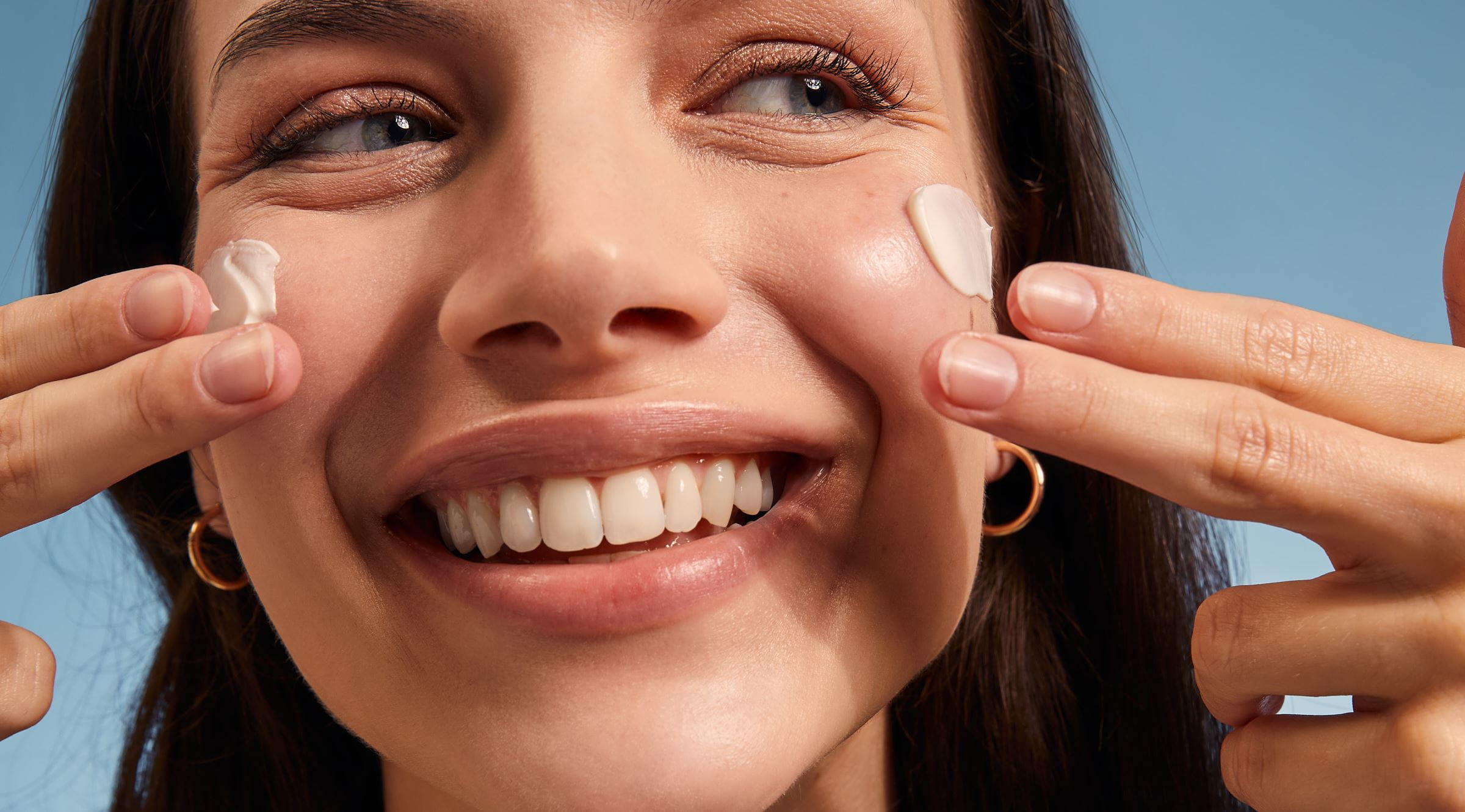
  • Use enough sunscreen: For sunscreen coverage on your body, use 1 ounce (two tablespoons or approximately one shot glass) of sunscreen, and approximately a nickel-sized amount for your face5.
  • Don’t miss a spot: Apply evenly and liberally to all exposed areas of skin, being careful not to overlook certain easy-to-miss areas like the ears, scalp, tops of the feet, and back of the neck.
  • Give it time: Apply sunscreen at least 15 minutes prior to sun exposure to allow the product to adhere and be most effective6.
  • Reapply, reapply, reapply: Reapply at least every 2 hours, or after each time swimming or toweling off.
  • Don’t only use sunscreen: Use water-resistant sunscreen in conjunction with other sun protection measures such as wearing protective clothing, avoiding direct sun exposure during peak hours of the day, and seeking shade.

Sunscreen for swimming with Coppertone Sport

Sunscreen for swimming with Coppertone Sport

Coppertone® Sport sunscreens are made with water-resistant formulas to offer durable sun protection for an active lifestyle. Available in a variety of sizes, SPF levels, and in both mineral and chemical formulas, Coppertone® Sport sunscreens are designed to go where you go, even underwater.

Coppertone® Sport Sunscreen Lotion SPF 30 is designed to stay on strong when you sweat, and this high-performance sunscreen lotion protects you from the sun with a durable and water resistant (80 minutes) sunscreen formula. This Coppertone sunscreen lotion offers Broad Spectrum UVA/UVB protection in a moisturizing formula.


Prefer a spray? Coppertone® Sport 4-in-1 Performance Sunscreen Spray is on your team. Available in SPF 15, SPF 30, and SPF 50, This durable sport sunscreen spray offers the same benefits of water resistance (80 minutes) as the lotion, but in a convenient, moisturizing spray format.  
For those who prefer a mineral sunscreen, try Coppertone® Sport Mineral Sunscreen Lotion SPF 50. Designed to stay on strong when you sweat, this high-performance mineral sport sunscreen provides broad spectrum SPF 50 UVA/UVB protection in a durable and water resistant formula (80 minutes) formulated with 100% naturally sourced Zinc Oxide. Also available in an SPF 50 spray.
Looking for a water-resistant face sunscreen? Coppertone® Sport Face Sunscreen Lotion SPF 60+ is lightweight and stays on strong when you sweat. This breathable formula rubs on easily and provides Broad Spectrum UVA/UVB SPF 60+ sun protection, stopping up to 98% of damaging UV rays. This non-greasy sunscreen lotion won't clog pores, blends in clear on all skin tones, and is formulated with antioxidants vitamins E and C. It is free of Oxybenzone, Octinoxate, PABA, Parabens, Phthalates, and fragrance. Coppertone Sport Face Lotion 60+ is water resistant (80 minutes) and dries quickly.
Choose a sunscreen that can help protect you while you swim with Coppertone® Sport.
Disclaimer: The information provided herein is not intended to be medical advice, nor is it intended to treat an underlying skin disease or condition. The information is provided for educational purposes only on the benefits of sunscreen usage.

Sources

  1. What Factors Affect UV Risk? Cancer.org. https://www.cancer.org/cancer/risk-prevention/sun-and-uv/sun-damage.html.
  2. Research, C. for D. E. and. Questions and Answers: FDA Announces New Requirements for Over-The-Counter (OTC) Sunscreen Products Marketed in the U.S. FDA 2019.
  3. Shyr, T.; Ou-Yang, H. Sunscreen Formulations May Serve as Additional Water Barrier on Skin Surface: A Clinical Assessment. International Journal of Cosmetic Science 2015, 38 (2), 164–169. https://doi.org/10.1111/ics.12271.
  4. Wilson, B. D.; Moon, S.; Armstrong, F. Comprehensive Review of Ultraviolet Radiation and the Current Status on Sunscreens. The Journal of Clinical and Aesthetic Dermatology 2012, 5 (9), 18.
  5. Skin Cancer Foundation. Ask the Expert: How Much Sunscreen Should I Be Using on My Face and Body? – The Skin Cancer Foundation. https://www.skincancer.org/blog/ask-the-expert-how-much-sunscreen-should-i-be-using-on-my-face-and-body.
  6. FDA. Sunscreen: How to help protect your skin from the sun. U.S. Food and Drug Administration. https://www.fda.gov/drugs/understanding-over-counter-medicines/sunscreen-how-help-protect-your-skin-sun.