Sun-Damaged Skin – Signs & Prevention Tips

All skin tones need sun protection, but certain skin tones can affect the SPF you need. Learn about how to care for pale skin in the sun.

SPF for pale or fair skin – choosing an appropriate sunscreen for your skin tone

When spending time outdoors, sun protection is essential for people of all skin types and tones, but different skin types have different reactions to the sun. If you have pale or fair skin, your skin is more vulnerable to sun damage than someone with darker skin may be1.

Read on to learn about how different skin tones are affected by the sun, and how to best protect pale or fair skin while being able to enjoy your time outdoors.


Why SPF is important for pale or fair skin

When spending time outdoors, sun protection is essential for people of all skin types and tones, but different skin types have different reactions to the sun. If you have pale or fair skin, your skin is more vulnerable to sun damage than someone with darker skin may be1.

Read on to learn about how different skin tones are affected by the sun, and how to best protect pale or fair skin while being able to enjoy your time outdoors.


Why is pale or fair skin extra sensitive to sun damage?

You may hear people with fair skin say that they always burn and never tan. This is because pale skin has less natural sun protection factor (SPF) than darker skin tones1, meaning the same amount or duration of sun exposure can cause more damage to someone with lighter skin (though the sun’s UV rays are harmful to all skin tones).

While a sunburn is commonly what we visually associate with sun damage, a suntan is also an indicator of sun damage2, so for those with paler skin who do tan or tan after a burn, the skin is still experiencing damage from the sun’s harmful UV rays.

Using a broad-spectrum sunscreen with sufficient SPF is a crucial component of overall sun protection for all skin types and tones. For people with pale skin, choosing the right SPF is especially important because pale skin is more vulnerable to damage caused by the sun’s harmful UV rays, and this can show in the form of signs of premature aging known as photoaging, as well as in an increased risk of skin cancer from sun exposure1.


How much SPF should you use if you have pale or fair skin?

Pigment in our skin is a natural sun protectant that also helps to protect against the development of melanoma and non-melanoma skin cancers from the sun. In people with darker skin tones, they have more pigment in their skin which helps to protect against a higher percentage of the sun’s harmful UVA and UVB rays than fair-skinned people with less pigment in their skin3. This does not mean that people with darker skin tones cannot get sunburned or skin cancer from sun exposure, however, and people of all skin tones need to take sun protection measures4.

Measuring skin photosensitivity with the Fitzpatrick skin types (phototypes)

In an effort to help measure skin photosensitivity (how reactive the skin is to sun exposure) in different skin tones, Dr. Thomas Fitzpatrick developed the Fitzpatrick skin type classification in 1975. This classification spans six categories ranging from Type 1 (very light skin that always burns in the sun and never tans) to Type 6 (highly pigmented skin that rarely burns and tans easily). Those with lower Fitzpatrick Types (I-III) are considered more vulnerable to sun damage1.

This measurement system is still used today by dermatologists when issuing photo-therapy, UV, or laser treatments to assess dosages and other factors in certain skin treatments, but due to its limitations in nuance for darker skin tones and its subjective use of terms like “tan” and “burn”, it may not accurately reflect skin cancer risk or allow for proper categorization of skin type for people of all racial backgrounds4.

Advancements in scientific research and medicine have shown that regardless of your Fitzpatrick skin type, using sunscreen and taking other sun protection measures are key for helping protect the skin from the harmful effects of the sun, you are just extra vulnerable if you have a lighter complexion.


Is SPF 15 enough to adequately protect pale or fair skin from the sun?

As mentioned above, sunscreen with an SPF of 15 protects skin against up to 93% of UVB rays. This means that at least 7% of the sun’s rays will still be able to reach your skin and cause sun damage. For those with fair skin, a higher SPF will help provide better protection against the sun’s UV rays.

Tips for choosing a sunscreen for pale or fair skin

If you have fair skin, there are a few things you should consider when looking for a sunscreen that works for your skin type and tone:

Adequate SPF

Since fair skin can be easily damaged by the sun, choosing a sunscreen with an SPF of at least 30 can help stop a higher percentage of the sun’s UV radiation than SPF 15. While no sunscreen can stop 100% of the sun’s harmful rays, choosing a sunscreen with an SPF of 30, 50, or higher can help protect fair skin when used properly and in conjunction with other sun protection measures.

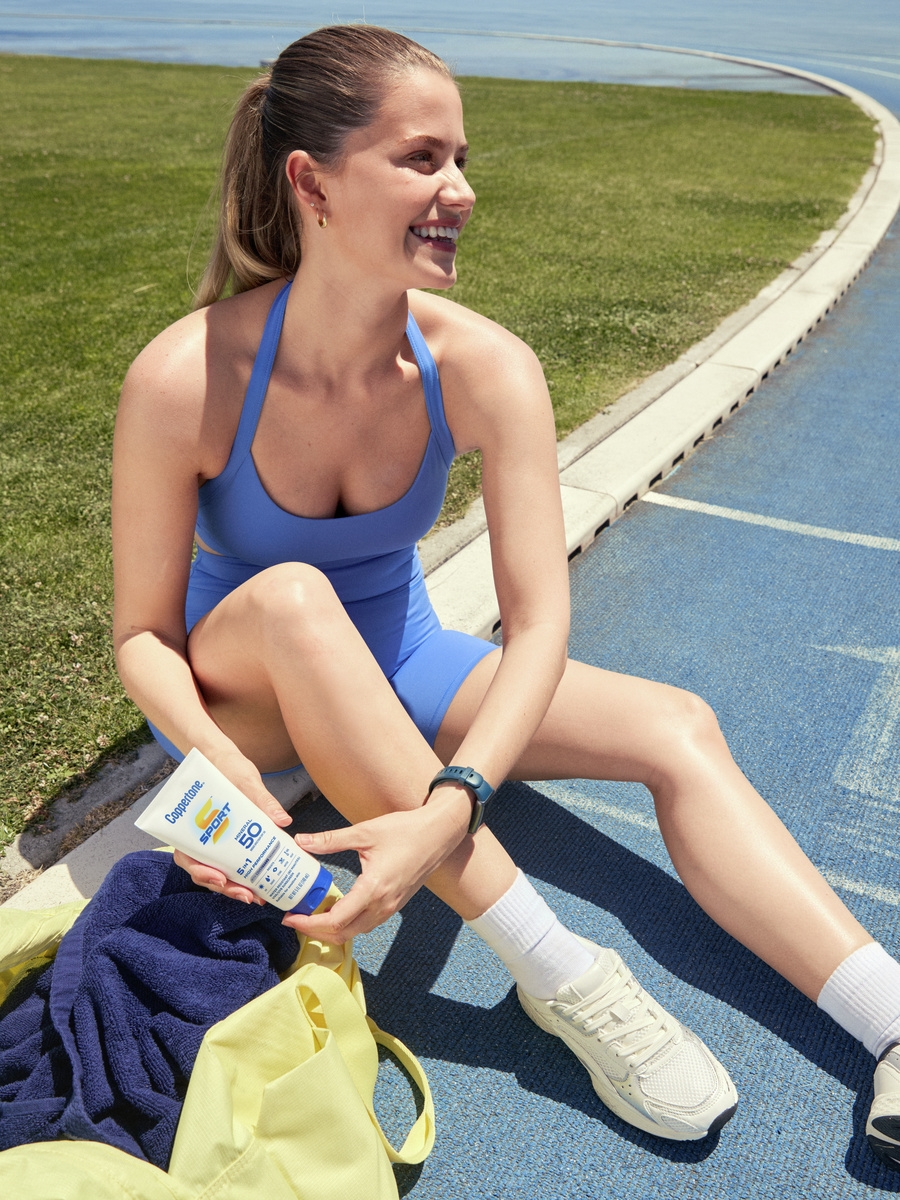
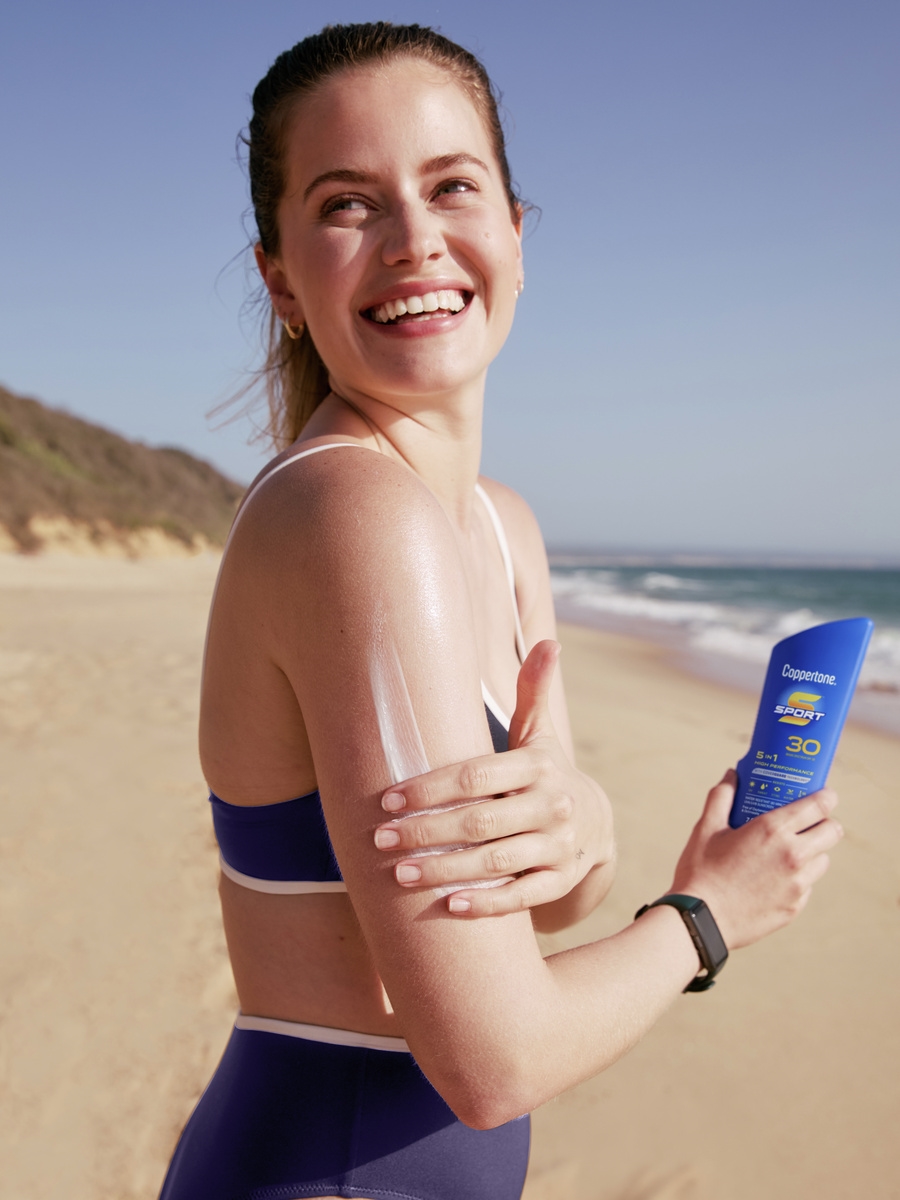
Coppertone Sport SPF 30 lotion provides everyday sun protection for the whole family. This moisturizing sunscreen offers broad spectrum UVA/UVB protection with a durable and water-resistant sunscreen formula (80 minutes) that feels lightweight and moisturizes all day.* This Coppertone sunscreen SPF 30 lotion can be used as a daily sunscreen and is also free from oxybenzone, octinoxate, parabens, PABA, phthalates and dyes. It’s also available in an SPF 30 spray, SPF 50 spray, and in convenient SPF 30, 50, and 100 travel size lotions for sun protection on the go.

* For sun protection, use and reapply as directed.

Chemical vs. mineral sunscreen

Sunscreen comes in two types – chemical and mineral (also sometimes referred to as physical sunscreen). They both help protect against UV rays, but they do it in different ways.

  • Chemical sunscreen absorbs the sun’s UV rays, and is the most popular form of sunscreen.
  • Mineral sunscreen stays on the skin’s surface and absorbs and deflects the sun’s UV rays.

Some people prefer chemical and some prefer mineral as they may tolerate mineral better. In these cases, mineral sunscreens are usually better tolerated. Learn more about the differences between chemical and mineral sunscreen.

If your fair skin is sensitive, you may want to consider a mineral sunscreen like Coppertone Sport Mineral Sunscreen Lotion with SPF 50. Designed to stay on strong when you sweat, this high-performance sunscreen protects you from the sun with a durable and water resistant zinc oxide sunscreen formula (80 minutes). This Coppertone sunscreen offers Broad Spectrum UVA/UVB protection in a 100% naturally sourced zinc oxide based active formula. Also available in a convenient spray format.

Choosing a face sunscreen for fair skin

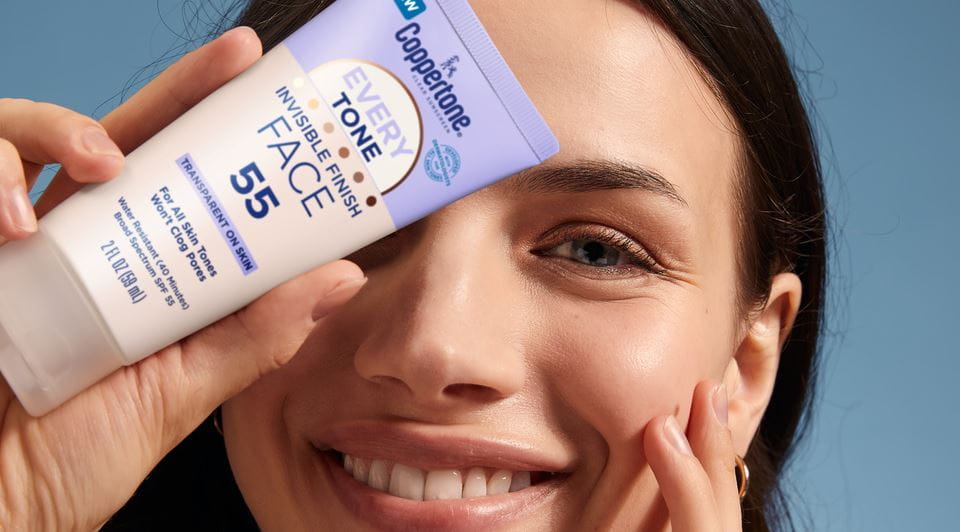
Your face is one the places on your body most frequently exposed to the sun throughout the year, so daily sunscreen use on your face is important. While you can apply all-over sunscreen to your face, you may want a dedicated facial sunscreen with a higher SPF. Remember that to maintain sun protection, you will need to reapply your facial sunscreen throughout the day.

Coppertone Sport Face Lotion with SPF 60+ is lightweight and stays on strong when you sweat. This breathable formula rubs on easily and provides Broad Spectrum UVA/UVB SPF 60+ sun protection, stopping up to 98% of damaging UV rays. This non-greasy sunscreen lotion won't clog pores, blends in clear on all skin tones, and is formulated with antioxidants vitamins E and C. It is free of Oxybenzone, Octinoxate, PABA, Parabens, Phthalates, and fragrance. Coppertone Sport Face Lotion 60+ is water resistant (80 minutes) and dries quickly. is lightweight and stays on strong when you sweat. This breathable formula rubs on easily and provides Broad Spectrum UVA/UVB SPF 60+ sun protection, stopping up to 98% of damaging UV rays. This non-greasy sunscreen lotion won't clog pores, blends in clear on all skin tones, and is formulated with antioxidants vitamins E and C. It is free of Oxybenzone, Octinoxate, PABA, Parabens, Phthalates, and fragrance. Coppertone Sport Face Lotion 60+ is water resistant (80 minutes) and dries quickly.

How often to apply sunscreen if you have pale or fair skin

It’s important to wear sunscreen every day that you spend time outdoors, even on cloudy or cold days, as the sun’s UV rays can penetrate cloud cover and cause damage to your skin7.

Apply sunscreen 15 minutes prior to sun exposure to allow the product to settle on the skin. To maintain your sunscreen’s effectiveness against UV exposure, reapply at least every two hours for as long as you’re outdoors, and immediately after swimming, sweating, or toweling off, even if your sunscreen is water-resistant.

Learn more tips for how to apply sunscreen.


Coppertone sunscreen – sun protection for all skin tones

Whether you have fair skin or skin with more melanin, proper sun protection is important. This involves taking precautions like wearing protective clothing such as long sleeves, long pants, hats, and sunglasses, staying out of the sun during peak hours of the day, seeking shade whenever possible, and using a sunscreen appropriate for your skin type. All of Coppertone’s sunscreens help provide broad-spectrum sun protection for all skin tones, helping you enjoy your time outdoors knowing your skin is supported by the most trusted sunscreen brand.*

Whether you’re looking for a sport sunscreen, sun protection for babies and kids, a face sunscreen, or everyday family sun protection, there’s a Coppertone sunscreen for you.

* Voted Most Trusted Sunscreen Brand by American Shoppers Based on the 2024 BrandSpark American Trust Study.

Disclaimer: The information provided herein is not intended to be medical advice, nor is it intended to treat an underlying skin disease or condition. The information is provided for educational purposes only on the benefits of sunscreen usage.

Sources

References

  1. Brar, G.; Dhaliwal, A.; Brar, A. S.; Manasa Sreedevi; Ahmadi, Y.; Irfan, M.; Golbari, R.; Zumárraga, D.; Yateem, D.; Lysak, Y.; Abarca-Pineda, Y. A. A Comprehensive Review of the Role of UV Radiation in Photoaging Processes Between Different Types of Skin. Cureus 2025, 17 (3). https://doi.org/10.7759/cureus.81109.

  2. Tanning - the Skin Cancer Foundation. The Skin Cancer Foundation. https://www.skincancer.org/risk-factors/tanning/.

  3. Tsai, J.; Chien, A. L. Reinforcing Photoprotection for Skin of Color: A Narrative Review. Dermatology and Therapy 2023, 13 (9), 1935–1958. https://doi.org/10.1007/s13555-023-00982-4.

  4. Hecht, M. What Are the Fitzpatrick Skin Types? Healthline. https://www.healthline.com/health/beauty-skin-care/fitzpatrick-skin-types.

  5. FDA. Sunscreen: How to Help Protect Your Skin From the Sun. U.S. Food and Drug Administration. https://www.fda.gov/drugs/understanding-over-counter-medicines/sunscreen-how-help-protect-your-skin-sun.

  6. United States Environmental Protection Agency. Sunscreen: The Burning Facts; Fact sheet EPA 430-F-06-013; United States Environmental Protection Agency: Washington, D.C., 2006. https://www.epa.gov/sites/default/files/documents/sunscreen.pdf.

  7. Andersen, P. A.; Buller, D. B.; Walkosz, B. J.; Scott, M. D.; Maloy, J. A.; Cutter, G. R.; Dignan, M. D. Environmental Cues to Ultraviolet Radiation and Personal Sun Protection in Outdoor Winter Recreation. Archives of Dermatology 2010, 146 (11), 1241–1247. https://doi.org/10.1001/archdermatol.2010.327.