Woman with two children at the beach

What Makes a Good Sunscreen for Sensitive Skin?

Learn what to look for in a sunscreen for sensitive skin and find out more about sensitive skin sunscreen options from Coppertone.

Sunscreen for Sensitive Skin – Buying Guide

Daily sunscreen use is important no matter your skin type, but for those with sensitive skin, it’s particularly important to find an effective sunscreen that feels good on the skin.  
 
Read on to learn what to look for in a sunscreen for sensitive skin and how to help protect your sensitive skin from the sun with Coppertone®.

What makes a good sunscreen for sensitive skin?

A good sunscreen for sensitive skin is specially formulated to help protect skin from the sun’s UV rays while remaining gentle on skin.

What to look for when shopping for a sunscreen for sensitive skin

When shopping for a sunscreen for sensitive skin, there are a few key things you want to look for:
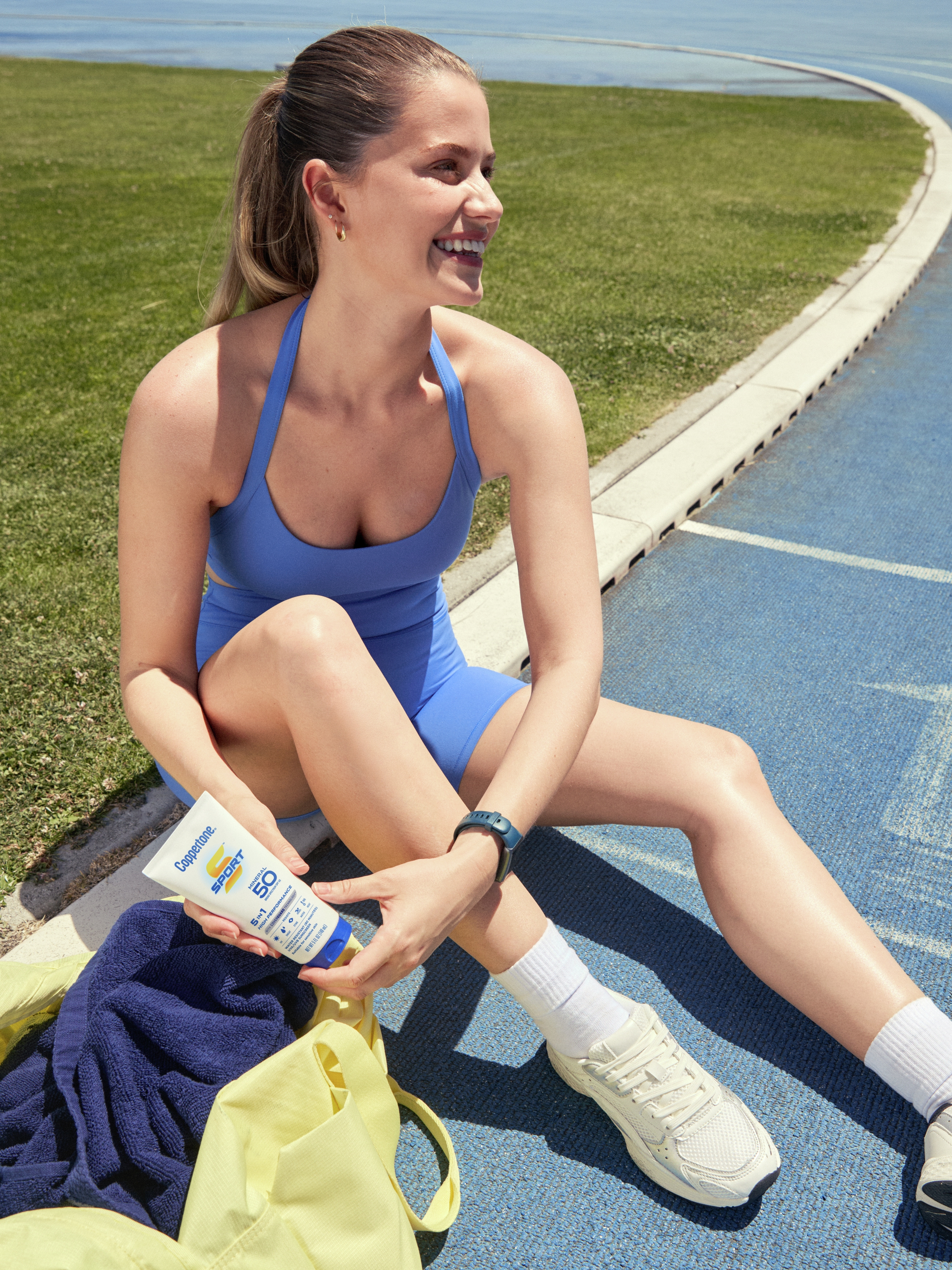
Woman holding Coppertone Sport Mineral Sunscreen

Look for sensitive skin-specific language on the label

One way to help you identify that a sunscreen may be appropriate for use on sensitive skin is to look for language used on the label. Terms like “hypoallergenic”, “noncomedogenic” (meaning it won’t clog pores), “fragrance-free”, or “appropriate for use on sensitive skin” all can help you find a sunscreen that will be suitable for your needs.

Look for a broad-spectrum sunscreen with an SPF of at least 30

To ensure proper sun protection, choose a broad-spectrum sunscreen (meaning it protects you from both UVA and UVB rays) with an SPF of at least 30 (the higher, the better) to maximize the amount of the sun’s harmful rays stopped by your sunscreen.

Explore mineral vs. chemical sunscreen options

For some people with sensitive skin, they may find mineral sunscreens to agree more with their skin.

Some people with sensitive skin prefer mineral sunscreen as their skin may tolerate mineral sunscreen better. Learn more about the differences between chemical and mineral sunscreen.

If your fair skin is sensitive, you may want to consider a mineral sunscreen like Coppertone Sport Mineral Sunscreen Lotion with SPF 50. Designed to stay on strong when you sweat, this high-performance sunscreen protects you from the sun with a durable and water-resistant (80 minutes) zinc oxide based sunscreen formula. This Coppertone sunscreen offers Broad Spectrum UVA/UVB protection with 100% naturally sourced zinc oxide active. Also available in a convenient spray format.

Why it’s important to wear sunscreen if you have sensitive skin

If you have sensitive skin, you may have found certain sunscreens to be irritating to your skin, which can make you less apt to want to wear sunscreen at all. This leaves you vulnerable to skin damage from the sun’s harmful UV rays and can increase your risk of skin cancer if you’re spending time outdoors unprotected1.  
 
With sensitive, pale or fair skin, your skin may actually be more sensitive to sun damage2 and other environmental stressors, particularly if its moisture barrier gets compromised, so it becomes all the more important to incorporate daily sunscreen use into your skincare routine.

What SPF is best for sensitive skin?

While there is no specific SPF number that is ‘best’ for sensitive skin, it’s important to consider that if you have sensitive skin, you may also be more sensitive to the sun. The higher the SPF, the more protected you will be from the sun’s harmful UV rays. The FDA recommends choosing a broad-spectrum sunscreen with an SPF of at least 153. Sunscreens with an SPF of 15 stops up to 93% of UVB rays4. SPF 30 stops up to 97% of UVB rays, and SPF 50 stops up to 98% of UVB rays. The AAD recommends using a sunscreen with at least SPF 30.
 
Note: there is no SPF, no matter how high, that stops 100% of the sun’s harmful UV rays, so be sure to incorporate sunscreen as just one part of your overall sun protection strategy, including things like wearing protective clothing, avoiding being outdoors during peak hours of the day, and seeking shade whenever possible.

Should you use a separate face sunscreen for sensitive skin?

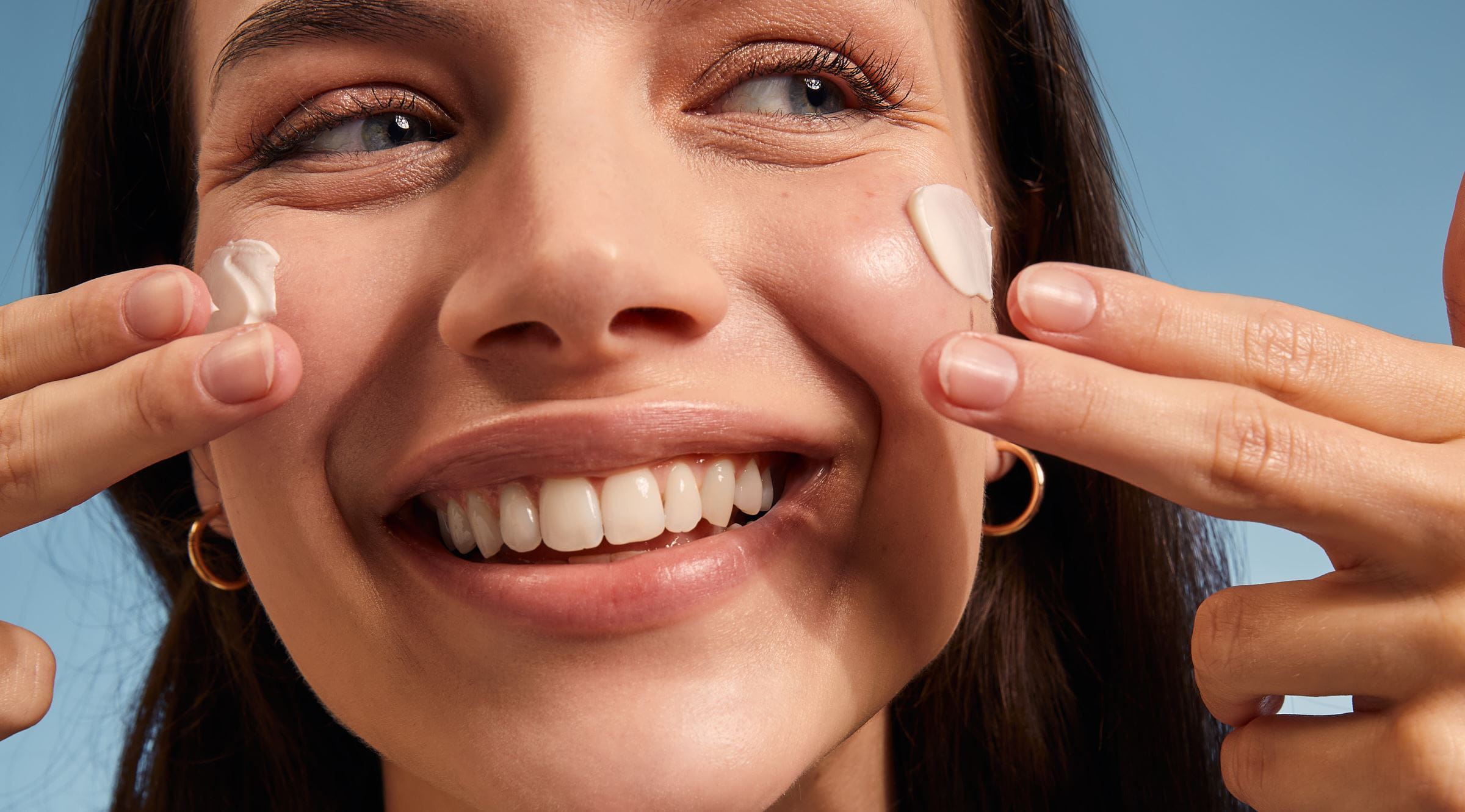
If you have sensitive skin, you may find traditional all-over sunscreens can feel heavy or irritating to the delicate skin on your face and you may find it beneficial to use a specially formulated facial sunscreen to use as part of your daily facial skincare routine, depending on your needs.

Is a facial moisturizer with SPF enough?

Some facial moisturizers contain SPF, and this can be helpful for the beginning of your day. However, for sunscreen’s sun protection qualities to remain effective, you must reapply at least every two hours, and immediately after swimming, sweating, or toweling off, so unless you are reapplying your facial moisturizer frequently throughout the day, you won’t be reaping the benefits of sun protection. 
 
To ensure that you’re properly protecting your skin from the sun, incorporate a dedicated sunscreen into your morning skincare routine before applying makeup, and reapply as directed throughout the day to maintain effectiveness. As always, use facial SPF in conjunction with other sun protection measures such as wearing protective clothing, staying out of the sun during peak hours, and seeking shade when outdoors, and follow application and re-application directions on the drug facts box.

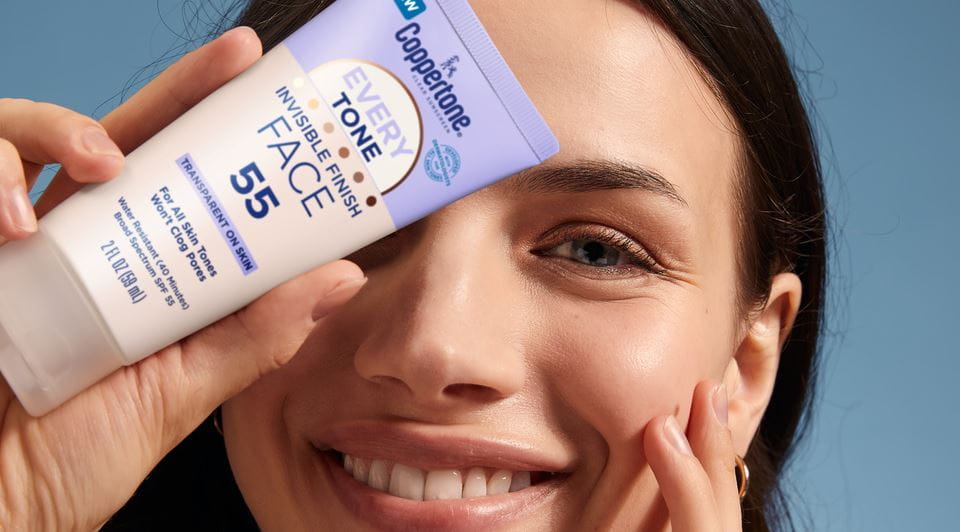
Coppertone face sunscreen

Coppertone Sport® Face Lotion SPF 60+ is specifically formulated for use on the face, and is free of Oxybenzone, Octinoxate, PABA, Parabens, Phthalates, and fragrance. This lightweight facial sunscreen stays on strong when you sweat with a breathable formula that rubs on easily and provides Broad Spectrum UVA/UVB SPF 60+ sun protection, stopping up to 98% of damaging UV rays. This non-greasy sunscreen lotion won't clog pores, blends in clear on all skin tones, and is formulated with antioxidants vitamins E and C. It is water resistant (80 minutes) and dries quickly, allowing you to navigate your day comfortably and with peace of mind.

woman applying sunscreen at the beach

Sunscreen application tips for sensitive skin – how to apply and how frequently to apply

When applying sunscreen to sensitive skin, you can follow the generally recommended guidelines for all skin types. By taking the following steps in applying your sunscreen, you can feel peace of mind in knowing that you’re helping to protect your skin from the harmful effects of the sun, and can enjoy your time outdoors:

1. Apply sunscreen liberally

When applying sunscreen, use approximately 1 ounce to cover your body if you’re an adult, and approximately a nickel-sized amount for your face. For children, apply proportionally smaller amounts depending on the size of the child.

Woman applying Coppertone Sport Sunscreen Lip Balm to man

2. Watch for commonly missed spots

Take care to cover all exposed areas of the body, being sure not to miss commonly forgotten spots like any cowlicks or parts in the hair, the ears, tops of the feet, back of the neck, or hands. Apply your sunscreen generously on the skin and gently rub to spread it evenly. If using a spray sunscreen, follow directions on the packaging, gently rubbing into the skin after spraying. Never spray sunscreen directly onto your face – always spray onto your hands and then apply to your face so that you don’t get it in your eyes.

Another common place to forget is the lips! Apply a moisturizing lip balm with SPF to help keep your lips hydrated and protected from UV exposure. Coppertone Sport Sunscreen Lip Balm SPF 30 moisturizes and helps protect lips from the sun, stopping up to 97% of the sun’s harmful rays. With Jojoba Oil and Shea Butter, this lip balm with nourishing Vitamin E is fragrance free, paraben free, and offers broad-spectrum SPF 30 protection.

3. Apply sunscreen before spending time outdoors

For sunscreen to be its most effective, be sure to apply it at least 15 minutes before you plan to spend time outside5. This will give it a chance to settle on the skin.

4. Reapply regularly for as long as you’re outdoors

Even on cold or cloudy days, the sun’s harmful rays can still reach your skin and cause damage6, so for as long as you’re spending time outdoors during the day, be sure to reapply your sunscreen regularly to stay protected.
 
Reapply sunscreen at least every two hours, and immediately after swimming, sweating, or toweling off. Even for water-resistant sunscreens, you will need to reapply 80 minutes after getting wet for your sunscreen to remain effective. Be sure to follow the directions on your sunscreen’s packaging.

Find the best sunscreen for your sensitive skin’s needs with Coppertone®

You’ve learned why sunscreen is important for people with sensitive skin, what to look for when choosing a sunscreen for sensitive skin, how often to apply it, and how to apply it properly to ensure maximum coverage and effectiveness.
 
Coppertone offers several sunscreens in formulas that may be suitable for use on sensitive skin.
Coppertone Sport Mineral Sunscreen Lotion SPF 50 is a great choice for people who prefer a mineral formula, but who still want the water-resistance and durability of Coppertone® Sport. Designed to stay on strong when you sweat, this high-performance sunscreen protects you from the sun with a durable and water resistant zinc oxide sunscreen formula (80 minutes). This Coppertone sunscreen offers Broad Spectrum UVA/UVB protection with 100% naturally sourced zinc oxide active. Also available as a spray.
For little ones with sensitive skin, apply Coppertone® Pure & Simple Baby SPF 50 Mineral Lotion. Coppertone Pure and Simple sunscreen for baby is a hypoallergenic and gentle water resistant (80 minutes) Broad Spectrum sunscreen. Delivering Broad Spectrum SPF 50 UVA/UVB protection, this gentle sunscreen for baby contains 100% naturally sourced Zinc Oxide active. This Coppertone sunscreen formula is tear free, and is free of fragrance, PABA, parabens, dyes, and octinoxate and oxybenzone. Use and reapply Coppertone Pure and Simple baby sunscreen as directed. For use on children under 6 months, consult a doctor prior to use.
woman with yellow top smiling at camera
Coppertone® is dedicated to helping everyone safely enjoy time spent in the sun. Explore our full range of sunscreens today to find the right one for you.


Disclaimer: The information provided herein is not intended to be medical advice, nor is it intended to treat an underlying skin disease or condition. The information is provided for educational purposes only on the benefits of sunscreen usage.


Sources

References

  1. Brar, G.; Dhaliwal, A.; Brar, A. S.; Manasa Sreedevi; Ahmadi, Y.; Irfan, M.; Golbari, R.; Zumárraga, D.; Yateem, D.; Lysak, Y.; Abarca-Pineda, Y. A. A Comprehensive Review of the Role of UV Radiation in Photoaging Processes Between Different Types of Skin. Cureus 2025, 17 (3). https://doi.org/10.7759/cureus.81109.
  2. National Library of Medicine. How Much Sun Is Too Much? Nih.gov. https://www.ncbi.nlm.nih.gov/books/NBK321117/.
  3. FDA. Sunscreen: How to Help Protect Your Skin From the Sun. U.S. Food and Drug Administration. https://www.fda.gov/drugs/understanding-over-counter-medicines/sunscreen-how-help-protect-your-skin-sun.
  4. United States Environmental Protection Agency. Sunscreen: The Burning Facts; Fact sheet EPA 430-F-06-013; United States Environmental Protection Agency: Washington, D.C., 2006. https://www.epa.gov/sites/default/files/documents/sunscreen.pdf.
  5. US EPA, O. Sun Safety Tips. www.epa.gov. https://www.epa.gov/sunsafety/sun-safety-tips.
  6. Andersen, P. A.; Buller, D. B.; Walkosz, B. J.; Scott, M. D.; Maloy, J. A.; Cutter, G. R.; Dignan, M. D. Environmental Cues to Ultraviolet Radiation and Personal Sun Protection in Outdoor Winter Recreation. Archives of Dermatology 2010, 146 (11), 1241–1247. https://doi.org/10.1001/archdermatol.2010.327.