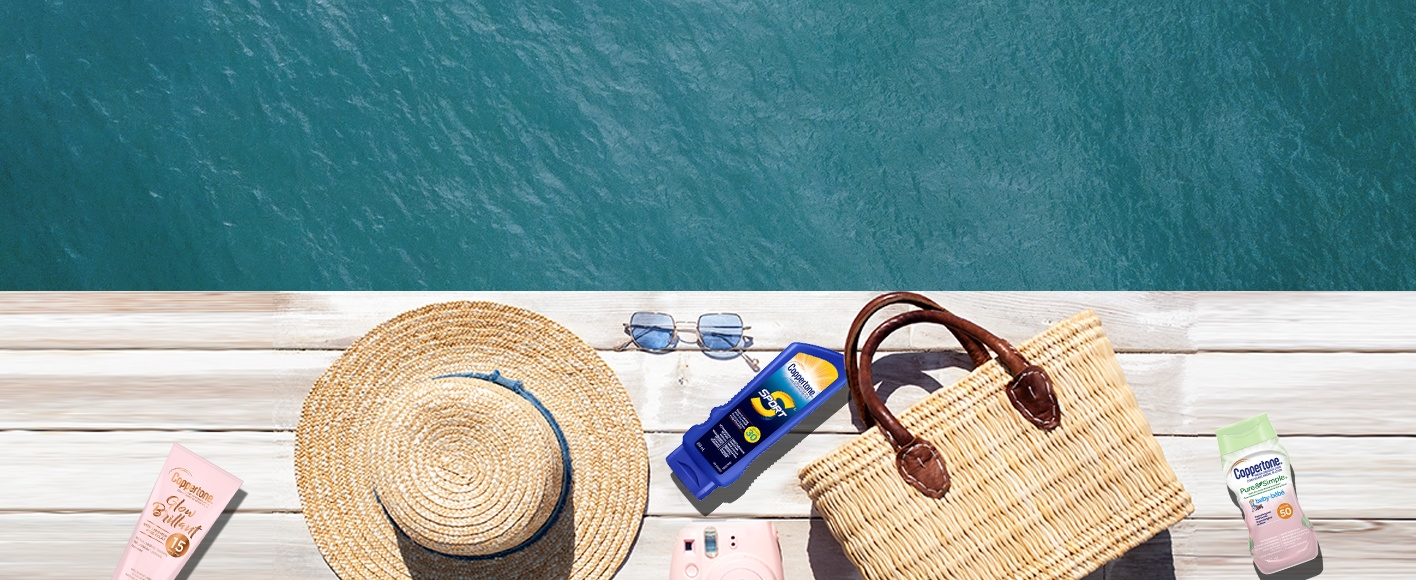
3 women standing in the sun

Sun Exposure: Sunscreen & Sun Safety Tips

Learn all about sun exposure and how to stay safe when spending time in the sun with Coppertone.

Sun Exposure: Risks and How to Stay Safe in the Sun

Whether you’re lounging by the pool, playing at the beach, skiing, hiking, or even just going for a leisurely neighborhood stroll, there are so many fun ways to enjoy time spent in the sun. Unfortunately, unprotected sun exposure can put your health at risk.

What are the health risks of unprotected sun exposure? How much sun is too much sun? And how can you help protect your skin from the negative effects of the sun’s harmful UV rays? Find the answer to these questions and more in our guide to sun exposure.

What are the risks of unprotected sun exposure?
Unprotected sun exposure puts you at risk, both in the near-term and the longer term. Here are some negative consequences of improperly protecting yourself from the sun’s harmful UV rays:

Sunburn

Perhaps the most obvious and most visible signs of skin damage from unprotected sun exposure is sunburn. When your skin is exposed to the sun, it can become damaged and create a reaction where it turns red, and, in cases of severe sunburns, it may even peel or blister.

Sun poisoning

When a sunburn is severe enough, it can lead to sun poisoning. Sun poisoning is marked by a severe sunburn that may include symptoms like redness, swelling, hives, and blisters, as well as systemic symptoms like headache, fever, chills, nausea, dizziness1, extreme thirst, confusion, and extreme fatigue2. If you suspect you’ve suffered from sun poisoning, be sure to contact a medical professional right away for further treatment.

Dry skin

Spending too much time in the sun can lead to dry, dehydrated sun-damaged skin3.

Photoaging

Over time, cumulative unprotected sun exposure can damage the skin and cause signs of premature aging known as photoaging. Symptoms of photoaging include sun spots, fine lines and wrinkles.

Increased risk of skin cancer

Spending time in the sun unprotected leaves you vulnerable to getting skin cancer4. Skin cancer is the most common cancer in the United States and worldwide. Approximately 90% of nonmelanoma skin cancers and the vast majority of melanoma skin cancers are associated with exposure to the sun’s harmful UV rays5.
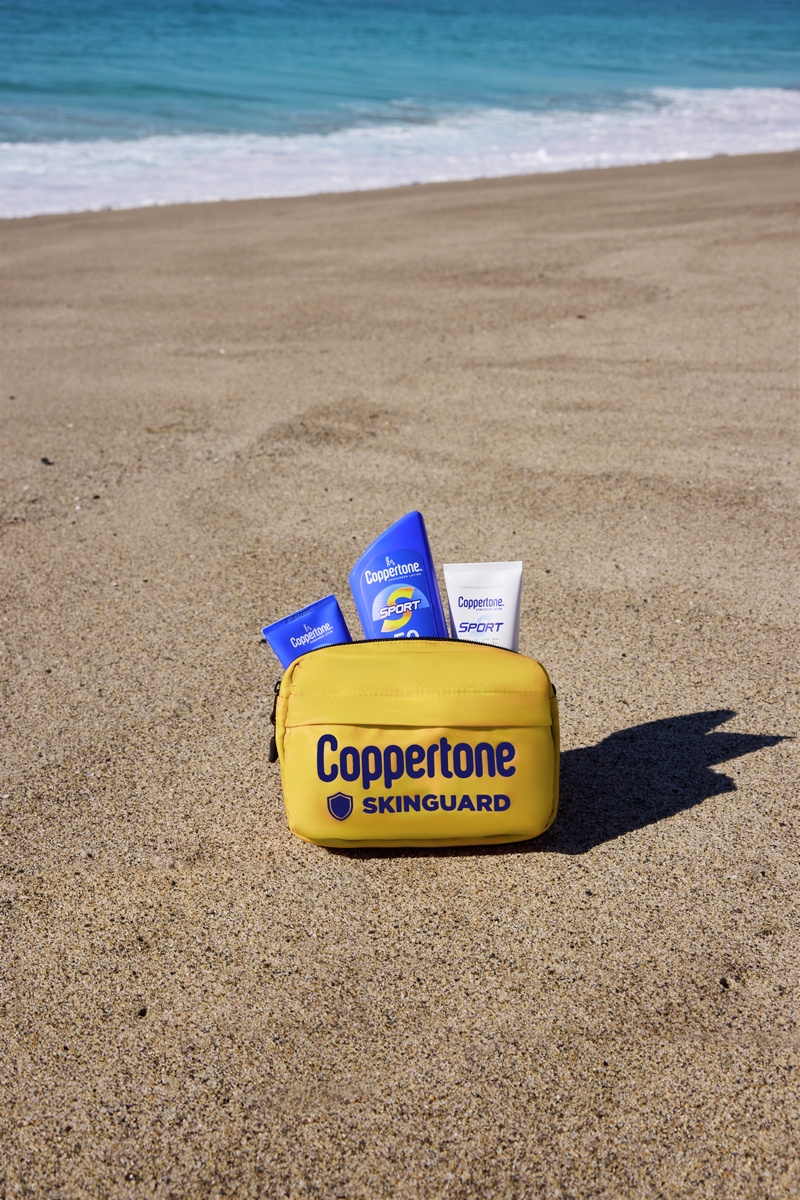
Coppertone Skinguard pouch and sunscreen bottles on a sandy beach

How does sun exposure lead to sun damage?

The sun generates radiation in the form of UVA, UVB, and UVC rays. UVA and UVB rays are primarily the type of radiation that reaches through the atmosphere and makes it to our skin6.

When UVA and UVB rays come into contact with our skin, it creates an inflammatory reaction that causes the skin to try to heal and protect itself, showing up as a tan or a sunburn. Over time, this damage to the skin can cause further problems, both cosmetically in the form of wrinkles and sun spots, and medically by increasing risk of skin cancer7.

Wearing a broad-spectrum sunscreen helps to mitigate the damage caused by the sun’s UV rays by either absorbing or scattering the rays, This is why it’s especially important to wear sunscreen every day, even on cool or cloudy days, as UV rays can pass through cloud cover and cause damage.

Sun exposure benefits - is there a ‘safe amount of sun’?

When it comes to unprotected exposure to the sun, there is no amount that is considered safe. Even during earlier or later parts of the day when the sun isn’t at its peak, you will still be experiencing UV exposure from the sun. The safest way to spend time outdoors during the day is to take proper sun protection measures to ensure that you are minimizing the amount of the sun’s UV rays that are able to reach any areas of exposed skin.

Isn’t tanning healthy for you?

It is a dangerous but common misconception that tanning is a sign of health or that getting a tan is good for you. Many people will deliberately try to get a tan ‘so they don’t burn later’. Unfortunately, tanning is a very clear and visible sign of sun damage and puts you at an increased risk of skin cancer7.

What about indoor tanning? Is that safer?

Unfortunately, no. Indoor tanning through the use of tanning beds also exposes the skin to harmful UV rays. The only UV-free way get a tan is to use self-tanner such as a self-tanning lotion or oil8.

Sun exposure and Vitamin D

One of the commonly cited benefits of sun exposure is that sun exposure helps the body generate essential Vitamin D. For those with fairer skin tones in particular9, it’s common to have Vitamin D deficiencies, so it can sound like an easy way to get more Vitamin D to just spend a little time getting unprotected sun exposure each day. Unfortunately, though sun exposure does help increase Vitamin D in the body, being unprotected in the sun is not the best approach.
 
For those who are deficient in Vitamin D, rather than direct sun exposure, opt for Vitamin D supplements and incorporating foods rich in Vitamin D into your diet. If you are concerned about your Vitamin D levels, consult with a registered dietitian or doctor for further nutritional guidance and supplementation dosage recommendations.

5 Sun safety tips to help you stay protected from UV rays

With all of the knowledge you now have about the risks of sun exposure, it may feel frightening to consider spending time in the sun, but thankfully there are several quick and easy sun protection measures you can take to help ensure that your time spent outdoors can be safe for everyone:
1. Wear protective clothing

Cover as much exposed skin as you can with protective clothing such as long sleeves, long pants, hats, and sunglasses. Some clothing brands offer sun protective clothing with an SPF rating to ensure that you’re keeping your skin protected from the sun.


2. Avoid sun exposure during peak hours of the day

The sun’s rays are strongest during midday (10am-2pm)10. To help mitigate the risk of sun exposure, avoid being in direct sunlight during peak hours.


3. Seek shade whenever possible

If avoiding the sun during peak hours is unavoidable, be sure to seek shade whenever you can. Keeping yourself out of direct exposure to the sun can help reduce the likelihood of a sunburn or other sun damage.

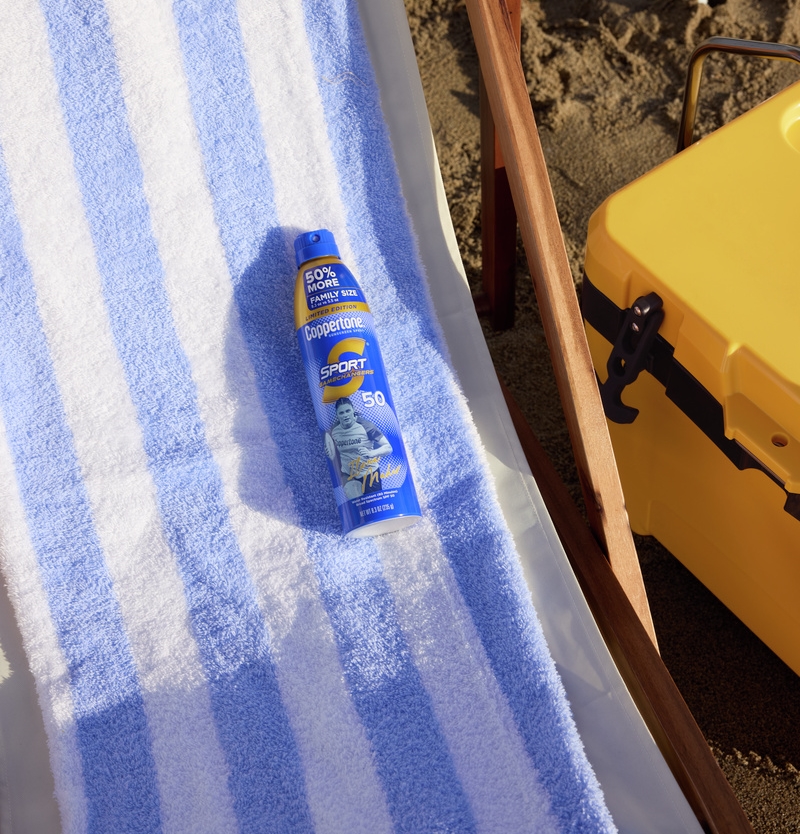
Coppertone Sport sunscreen spray bottle on a blue striped beach towel
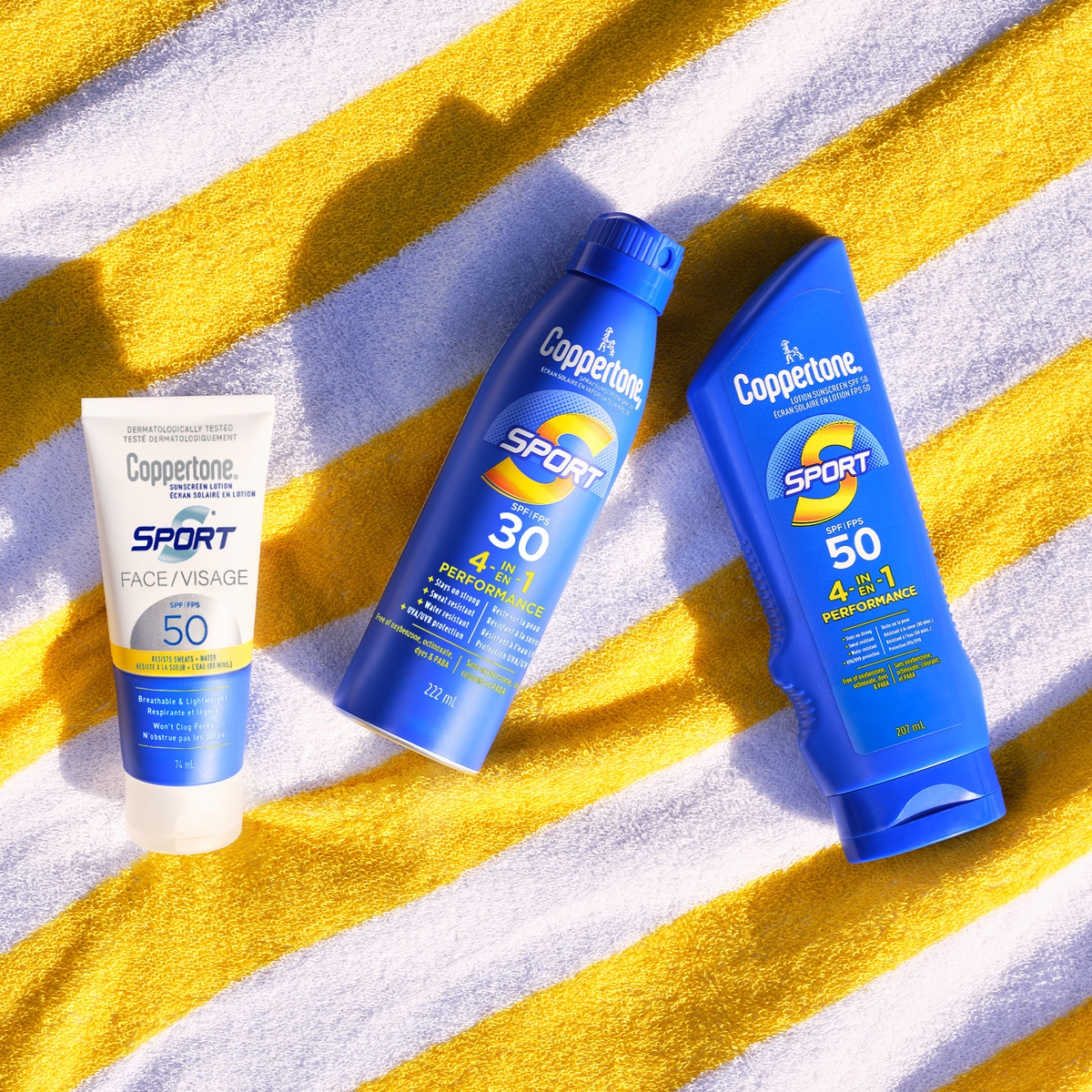
Three Coppertone Sport sunscreen products on a yellow striped beach towel

4. Wear a broad-spectrum sunscreen on all exposed areas of skin

In conjunction with the methods above, be sure to wear a broad-spectrum sunscreen when spending time outdoors, even on cool or cloudy days. Apply your sunscreen to all areas of exposed skin at least 20 minutes before heading outside in order for the sunscreen to settle on the skin and be the most effective.


5. Reapply sunscreen throughout the day

When it comes to sunscreen, unfortunately you can’t just “set it and forget it”. Reapply sunscreen at least every two hours that you’re spending time outdoors, and immediately after swimming, sweating, or toweling off to ensure that you’re staying protected.

7 sunscreen tips for sun safety

Sunscreen is an essential part of a comprehensive sun protection protocol, but in order to ensure it’s providing the sun protection benefits you need, it’s important to choose the right sunscreen for your needs, apply enough of it, apply it properly, and reapply frequently. Here are some tips for getting the most sun protection benefits out of your sunscreen:
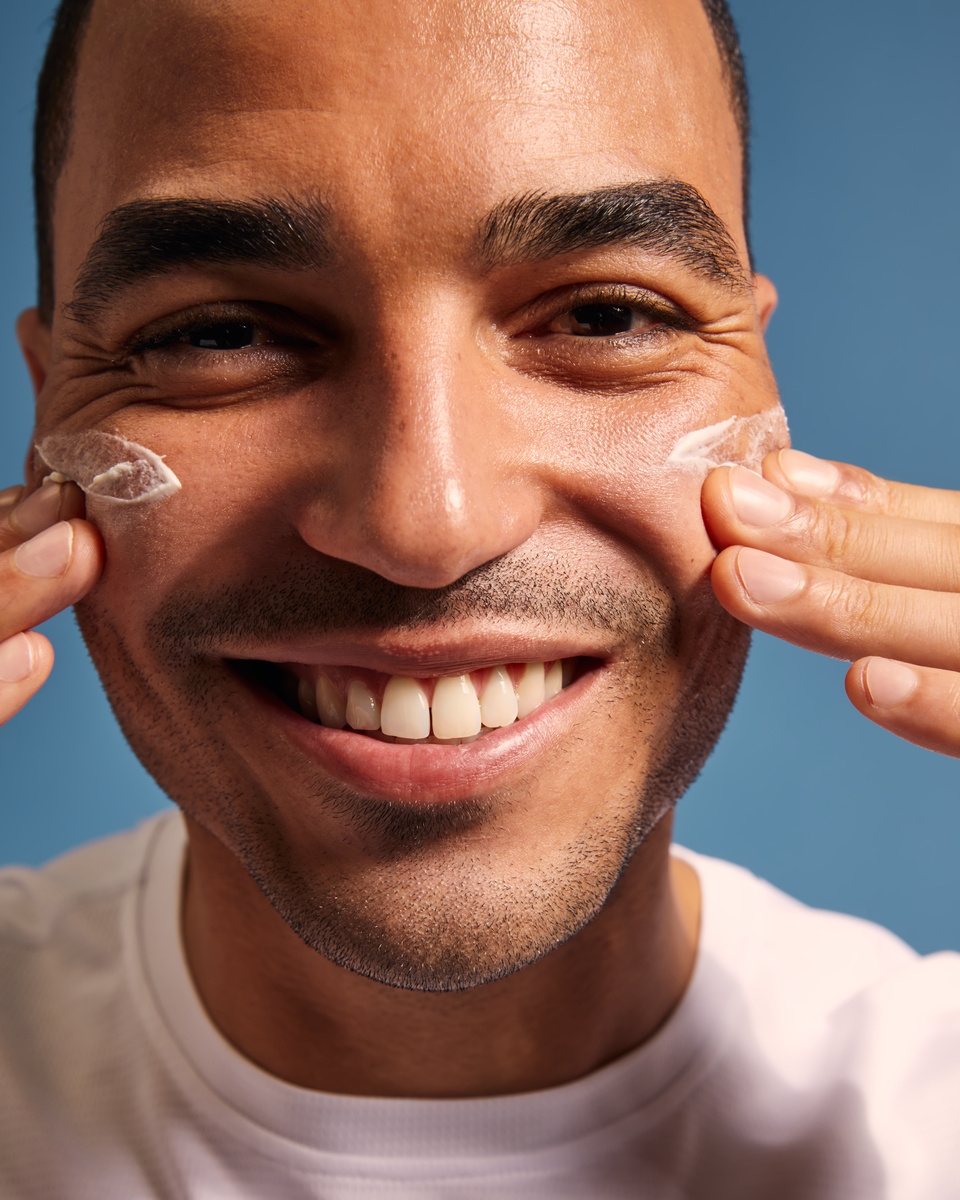
Smiling man applying sunscreen cream to his face

1. Choose a broad-spectrum sunscreen with an adequate SPF

Broad-spectrum means a sunscreen protects from both UVA and UVB rays. The AAD recommends using a broad-spectrum sunscreen with an SPF (sun protection factor) of at least 30, but you may wish to choose a higher SPF for your skin’s needs. No matter how high the SPF, however, there is no sunscreen that can stop 100% of the sun’s harmful UV rays, so it’s important to not only rely on sunscreen as your only sun protection strategy.

Learn more about how sunscreen works.


2. Choose a sunscreen for your skin’s needs

Sunscreens come in different formulas to cater to different needs and preferences. Traditional chemical sunscreens are the most common, but if you have sensitive skin, you may prefer a mineral sunscreen like Coppertone Sport Mineral. Learn more about the difference between chemical and mineral sunscreen.

If you’re looking for a sunscreen for your children, can also choose a sunscreen formulated for kids or babies to help keep them safe during outdoor playtime.

Learn more tips for how to choose a sunscreen.

3. Choose a water-resistant sunscreen if swimming or sweating

Your sunscreen can’t help protect your skin if it’s washed away! For days when you’ll be getting wet from swimming, sweating, or the weather, choose a water-resistant sunscreen like Coppertone Sport to help your sunscreen stay put no matter where the day takes you. Note that even with water-resistant sunscreen, you will need to reapply immediately after swimming, sweating, or toweling off to ensure proper sun protection benefits.

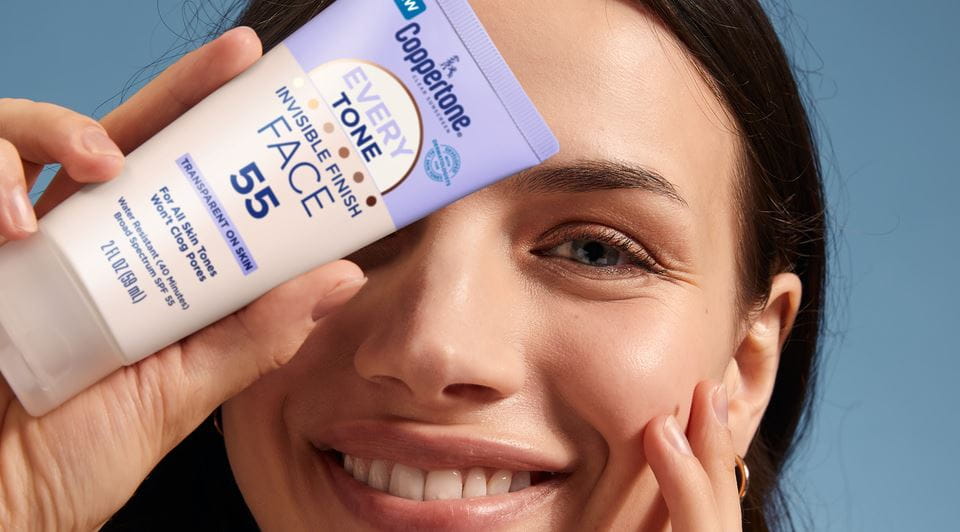
4. Choose a face sunscreen for everyday wear

While you can apply all-over sunscreen to your face, you may find that a facial sunscreen helps give you the sun protective benefits you’re looking for while feeling comfortable on the more sensitive and delicate skin on your face.

Coppertone Sport Face Lotion SPF 60+ is lightweight and stays on strong when you sweat. This breathable formula rubs on easily and provides Broad Spectrum UVA/UVB SPF 60+ sun protection, stopping up to 98% of damaging UV rays. This non-greasy sunscreen lotion won't clog pores, blends in clear on all skin tones, and is formulated with antioxidants vitamins E and C. It is free of Oxybenzone, Octinoxate, PABA, Parabens, Phthalates, and fragrance. Coppertone Sport Face Lotion 60+ is water resistant (80 minutes) and dries quickly.

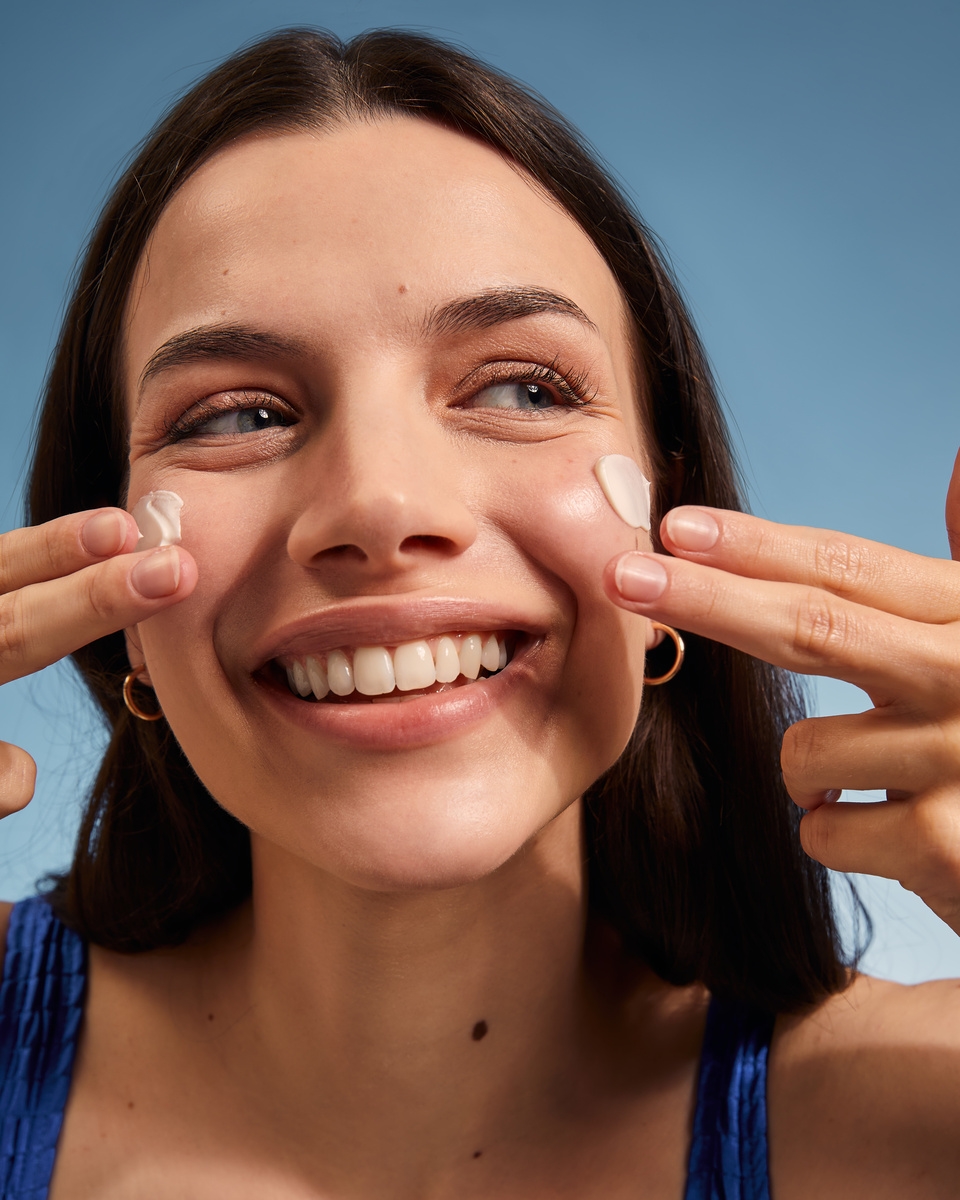
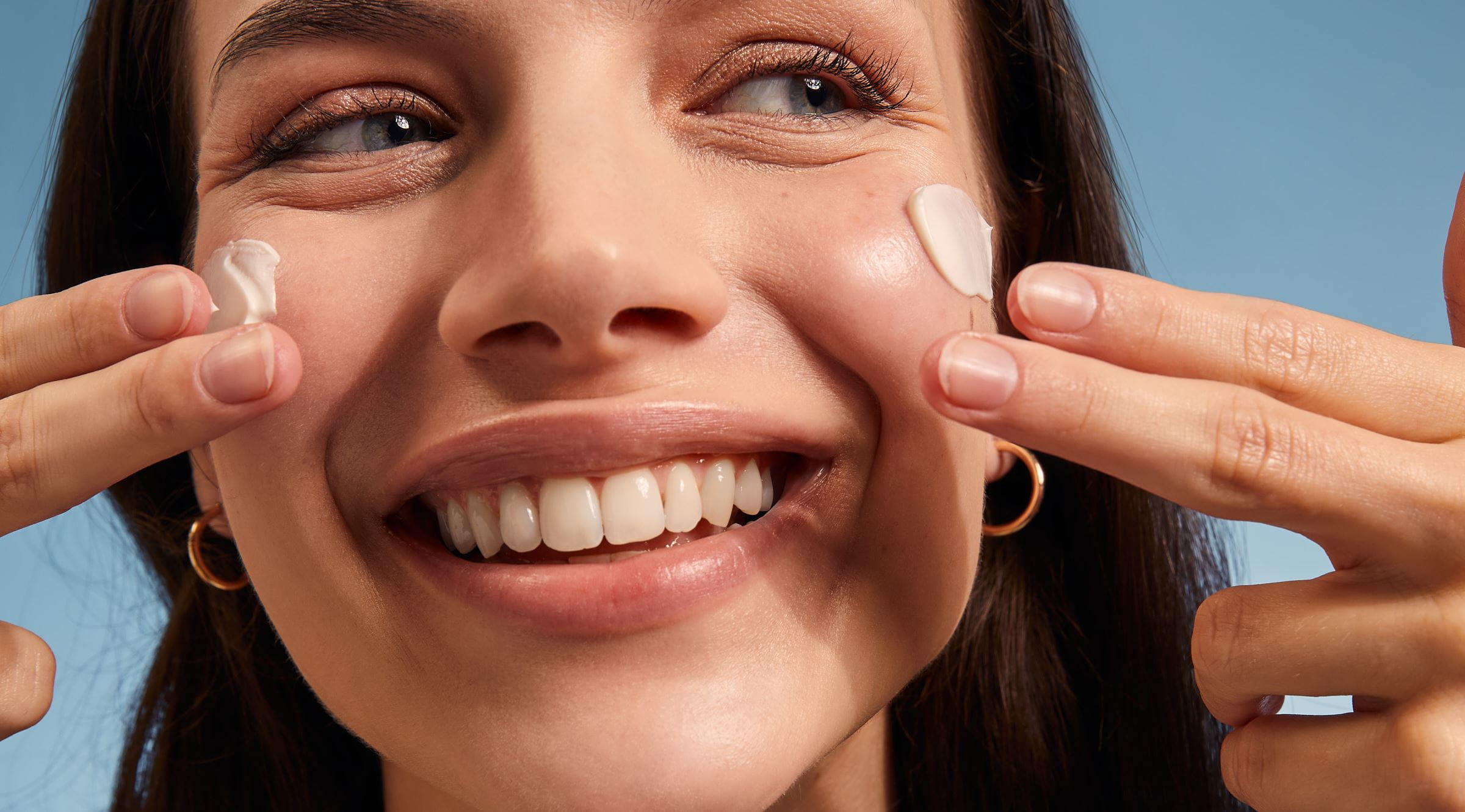
Smiling woman applying sunscreen cream to her cheeks
Coppertone Amazon Store Update

5. Apply enough sunscreen

One common mistake people make when applying sunscreen is to not apply enough of it. If you don’t apply enough sunscreen, it can be easy to miss a spot or to leave your skin inadequately coated, leaving you vulnerable to sun damage. For adults, use at least one fluid ounce (approximately the amount of a shot glass) of sunscreen for your body, and a nickel-sized dollop for the face and neck11. For children, scale down depending on the relative size of the child.


6. Apply sunscreen properly

Take your designated amount of sunscreen and apply it liberally to all areas of exposed skin, being careful not to miss any commonly-forgotten spots like the face, ears, back of the neck, hands, tops of the feet, or scalp/hair part on the top of your head. Gently rub the sunscreen on until it is no longer visible on the skin and allow yourself 20 minutes before heading outside to allow the sunscreen time to settle onto the skin and be most effective.

Learn more tips for how to apply sunscreen.


7. Reapply sunscreen frequently

As mentioned earlier, reapplication is crucial if you’ll be spending more than 2 hours outside, or if you get wet or towel off. Reapply sunscreen liberally at least every two hours, and immediately after swimming, sweating, or wiping your skin with a towel.

Find the best face sunscreen for your needs with Coppertone

Now that you know the risks of unprotected sun exposure and the importance of incorporating sunscreen into your daily sun protection strategy, it’s time to get outside and have some fun with a broad-spectrum sunscreen you can trust! As the first sun care brand launched in the U.S., Coppertone’s trusted SPF has protected and inspired generations of sun chasers for over 75 years. Whether you're at the beach, the pool, or simply walking the dog, we've got you covered so you can make the most of every sunny moment.
Disclaimer: The information provided herein is not intended to be medical advice, nor is it intended to treat an underlying skin disease or condition. The information is provided for educational purposes only on the benefits of sunscreen usage.

Sources

References

  1. Clinic, C. What Is Sun Poisoning? Cleveland Clinic. https://health.clevelandclinic.org/sun-poisoning
  2. PA-C, J. F., MMSc. Sun poisoning symptoms: Signs you’ve had too much sun. Harvard Health. https://www.health.harvard.edu/digital_first_content/sun-poisoning-symptoms-signs-youve-had-too-much-sun
  3. Sun-Damaged Skin. Harvard Health. https://www.health.harvard.edu/diseases-and-conditions/sun-damaged-skin-a-to-z
  4. FDA. Tips to Stay Safe in the Sun: From Sunscreen to Sunglasses. FDA 2019. https://www.fda.gov/consumers/consumer-updates/tips-stay-safe-sun-sunscreen-sunglasses
  5. Skin Cancer Foundation. Skin Cancer Facts & Statistics. The Skin Cancer Foundation. https://www.skincancer.org/skin-cancer-information/skin-cancer-facts/
  6. World Health Organization. Radiation: Ultraviolet (UV) radiation. www.who.int. https://www.who.int/news-room/questions-and-answers/item/radiation-ultraviolet-(uv)
  7. Skin Cancer Foundation. Sunburn - The Skin Cancer Foundation. The Skin Cancer Foundation. https://www.skincancer.org/risk-factors/sunburn/
  8. Black, T. A.; Hatch, J.; Laughter, M. R.; Anderson, J. B. Sunless Tanners in Dermatology: A Review of Ingredients, Efficacy, and Safety Profiles. Journal of drugs in dermatology : JDD, 2026, 25, 30–35. https://doi.org/10.36849/JDD.9360.
  9. Conger, K. Caucasians who avoid sun exposure more likely to be vitamin D deficient, study shows. News Center. https://med.stanford.edu/news/all-news/2011/11/caucasians-who-avoid-sun-exposure-more-likely-to-be-vitamin-d-deficient-study-shows.html.
  10. Centers for Disease Control and Prevention. Sun Safety Facts. Skin Cancer. https://www.cdc.gov/skin-cancer/sun-safety/index.html
  11. Skin Cancer Foundation. Ask the Expert: How Much Sunscreen Should I Be Using on My Face and Body? - The Skin Cancer Foundation. The Skin Cancer Foundation. https://www.skincancer.org/blog/ask-the-expert-how-much-sunscreen-should-i-be-using-on-my-face-and-body/.